

Shih Tzu Training
Comprehensive Guide to Shih Tzu Training
Welcome to Shih Tzu Time! Training your Shih Tzu is an essential part of ensuring a happy and well-behaved companion. Whether you’re a new owner or looking to refine your current training methods, our guide provides valuable insights on dog training, including tips on potty training and effective training techniques.
Understanding Shih Tzu Training
Shih Tzus are known for their affectionate and playful nature, which can make training both enjoyable and rewarding. Successful dog training relies on understanding their temperament and using positive reinforcement methods. Consistency, patience, and encouragement are key components in teaching your Shih Tzu good behavior and obedience.
How to Train a Shih Tzu
Training your furry friend involves several important steps. Here’s how to train a Shih Tzu effectively:
- Start Early: Begin training your furry friend as a puppy to establish good habits early. Early training helps prevent behavioral issues later on.
- Use Positive Reinforcement: Reward your Shih Tzu with treats, praise, and affection when they perform the desired behavior. Positive reinforcement encourages your dog to repeat those behaviors.
- Keep Sessions Short and Fun: Shih Tzus have short attention spans, so keep training sessions brief—around 5-10 minutes at a time. Make the experience enjoyable to keep your Shih Tzu engaged.
- Be Consistent: Consistency in commands and routines is crucial for effective training. Use the same commands and reward system to help your Shih Tzu understand what is expected.
Shih Tzu Potty Training
Potty training is a fundamental aspect of Shih Tzu dog training. Here are some key tips for successful Shih Tzu potty training:
- Establish a Routine: Take your Shih Tzu outside at regular intervals, especially after meals, naps, and playtime. Consistent schedules help your dog learn when and where to potty.
- Choose a Designated Spot: Select a specific spot in your yard for potty breaks and take your Shih Tzu there each time. This helps them associate the area with potty time.
- Praise and Reward: Immediately reward your Shih Tzu with praise and treats when they potty outside. This reinforces the behavior and helps them understand that going outside is positive.
- Be Patient and Persistent: Accidents will happen, so remain patient and avoid punishment. Instead, clean up any messes thoroughly and continue with your training routine.
Advanced Dog Training
Once your pet has mastered basic commands and potty training, you can move on to more advanced training:
- Teach Tricks: Fun tricks like “sit,” “stay,” “roll over,” and “fetch” are great for mental stimulation and bonding. Use the same positive reinforcement techniques for trick training.
- Socialization: Expose your Shih Tzu to various environments, people, and other animals to improve their social skills and reduce fearfulness. Positive experiences during socialization help build confidence.
- Obedience Classes: Consider enrolling your Shih Tzu in obedience classes to enhance their training and provide additional socialization opportunities. Professional trainers can offer valuable guidance and support.
Conclusion
Effective Shih Tzu training enhances your dog’s behavior and strengthens your bond. By understanding how to train a Shih Tzu with patience and consistency, you can achieve great results. Whether you’re focusing on potty training or advanced skills, following these tips will help ensure your Shih Tzu’s growth into a well-mannered and happy companion. For more training advice and updates, stay tuned to Shih Tzu Time!
-

Shih Tzu Development Stages
From birth to adulthood, a Shih Tzu puppy undergoes several developmental stages. Starting blind and deaf, they grow into playful and energetic dogs with unique grooming needs. For a healthy, well-adjusted Shih Tzu, ensure regular vet visits and proper care at each stage. Start by learning about their growth now!
-

How to stop Shih Tzu puppy from biting
Stopping a Shih Tzu puppy from biting involves understanding its causes, like teething and curiosity, and setting clear boundaries early. Consistent responses, redirecting with chew toys, and teaching commands like “Leave It” are essential. Socializing your puppy with other dogs also helps in learning appropriate play behavior and reducing biting.
-

Shih Tzu Obedience
Unlock the secrets to effective Shih Tzu obedience training with essential tips that build trust, reinforce commands, and address common behavioral issues. Whether you’re working on basic commands or advanced training, these strategies will help you nurture a well-behaved, happy Shih Tzu that fits seamlessly into your home
-

Help! My Shih Tzu is a Picky Eater!
Is your Shih Tzu a picky eater? Ensure a healthy diet by ruling out medical issues and avoiding table scraps. Use strategies like heating meals, sticking to a feeding schedule, and reducing treats. For a better appetite, try vitamins like PetHonesty’s 10 in 1 Dog Multivitamin. Act now to improve your dog’s eating habits!
-

How to train a Shih Tzu
Training a Shih Tzu requires patience and consistency due to their independent streak. Begin early, set achievable goals, and create a positive environment. Focus on core commands like “Sit,” “Stay,” and “Come,” and address challenges such as stubbornness and separation anxiety with gradual training and positive reinforcement.
-
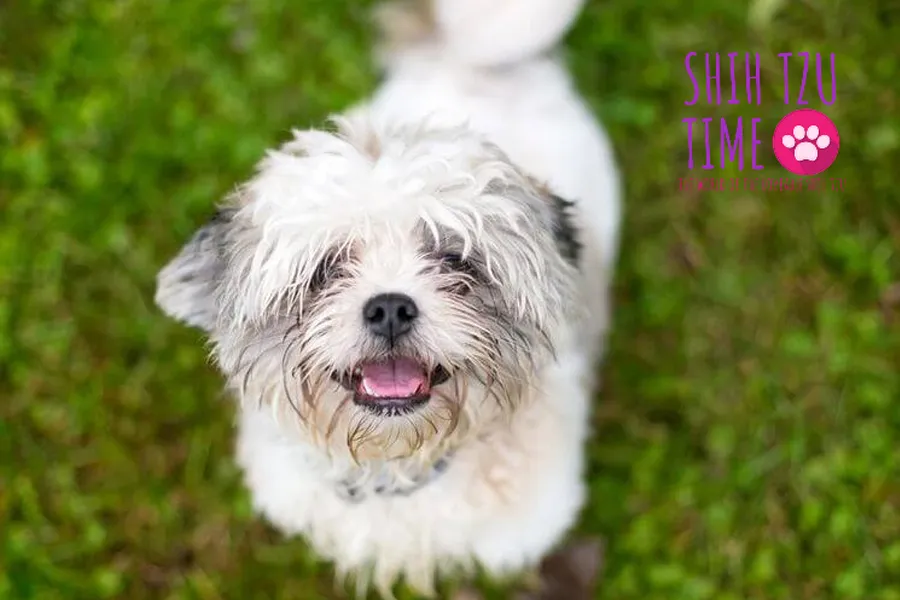
Shih Tzu Chewing
Chewing is natural for Shih Tzus, especially during teething or due to stress and boredom. To manage it, provide safe chew toys, use crate training, and ensure a secure environment. Monitor their chewing habits and consult a vet for persistent issues. Proper management helps prevent destructive behavior while fulfilling their natural need to chew.
Subscribe to our newsletter
Don’t miss new updates on your email!
MOST RECENT
- Shih Tzu Anxiety

- Preparing for Your New Shih Tzu

- Shih Tzu Christmas Gifts

- Are Shih Tzu Dogs Hypoallergenic?

- Shih Tzu Airplane