

Shih Tzu Development Stages – Puppy to Adult
Watching a Shih Tzu puppy grow is a journey filled with delightful moments and important milestones. From the tiny newborn relying entirely on its mother to the fully grown, confident adult, understanding the Shih Tzu development stages is crucial for ensuring your pet’s health and happiness. Each stage brings its own challenges and rewards, and knowing what to expect can help you provide the best care for your Shih Tzu.
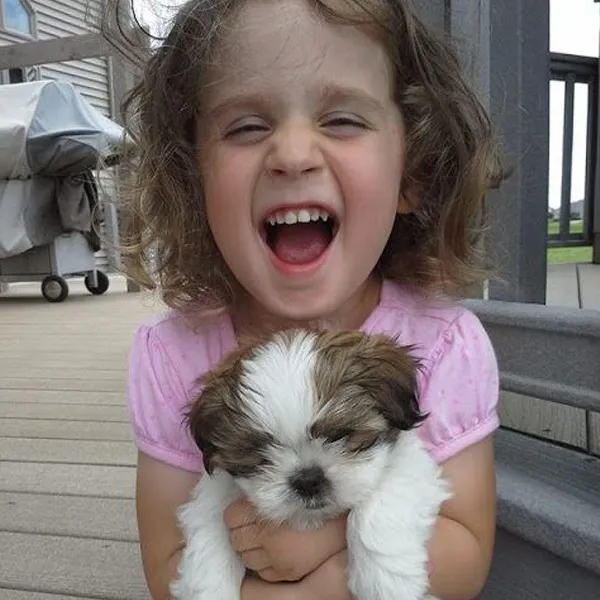
The First Week: The Vulnerable Newborn Stage
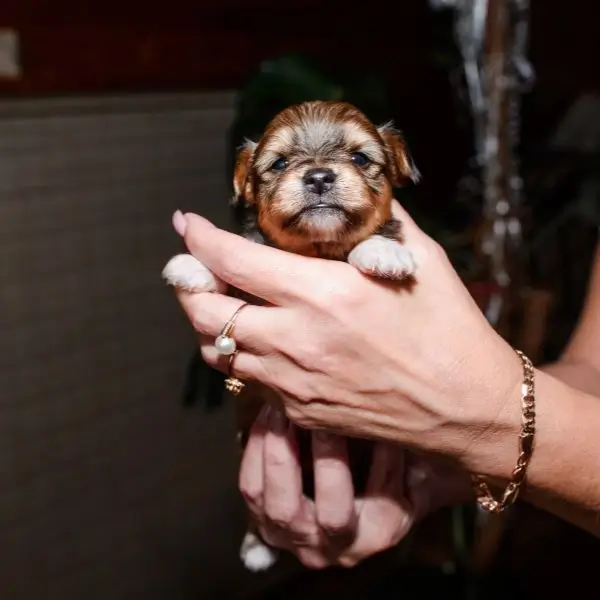
In the first week of life, Shih Tzu puppies are entirely dependent on their mother. Born blind and deaf, they require a warm, safe environment to thrive. At around three weeks, these puppies begin to open their eyes and ears, marking the start of their sensory development. A healthy Shih Tzu puppy will steadily gain weight each day, indicating they are growing as expected.
By four weeks, their milk teeth start to appear, initiating the weaning process. During this time, puppies begin to explore their surroundings and interact with their littermates, making it essential to ensure your home is thoroughly puppy-proofed. A visit to the veterinarian during this stage is crucial for their first immunizations and deworming, setting the foundation for a healthy life.
Taking Your Shih Tzu Home: The First Big Transition
Shih Tzu puppies are typically ready to move to their new homes between 8 and 12 weeks old. At this age, they have all their baby teeth and are capable of eating solid food. This period is critical as they adjust to a new environment, requiring patience and consistent care from their new owners. House training should begin immediately, as Shih Tzus can be somewhat stubborn in learning new habits. Consistency and positive reinforcement are key strategies for success during this stage.
To help with teething, providing a variety of chew toys is important. These toys not only soothe the discomfort of teething but also keep the puppy from chewing on inappropriate items like furniture or shoes. As your Shih Tzu settles into their new home, it’s essential to create a safe, quiet space where they can retreat when they need rest or a break from the activity around them.

Five Months: The Teething and Training Stage
At around five months old, your Shih Tzu’s baby teeth begin to be replaced by permanent teeth. This teething stage can cause sore gums, leading to an increased urge to chew. Providing durable, safe chew toys is crucial to helping your Shih Tzu through this discomfort while protecting your belongings from being chewed on.
Training should be ongoing during this stage. Shih Tzus are intelligent but have an independent streak that can make training challenging. Keeping sessions short, engaging, and consistent will help reinforce good behavior. This is also a good time to continue socializing your Shih Tzu, introducing them to various environments, people, and other pets to ensure they develop into a well-adjusted adult.

Six Months: The Adolescent Stage
By the time your Shih Tzu reaches six months, they enter adolescence, a stage marked by puberty. Female Shih Tzus may experience their first heat, while male Shih Tzus can start reproducing. Before reaching this stage, it’s advisable to consult with your vet about the appropriate time to spay or neuter your Shih Tzu, unless you plan to breed or show your dog.
During adolescence, Shih Tzus may test boundaries more frequently. It’s essential to maintain a consistent training routine to help them understand acceptable behavior. Socialization should continue, helping to prevent behavioral issues such as anxiety or aggression in adulthood. Regular check-ups with your veterinarian are also important to monitor their development and address any concerns that arise.
Ten Months: The Coat Transition Stage
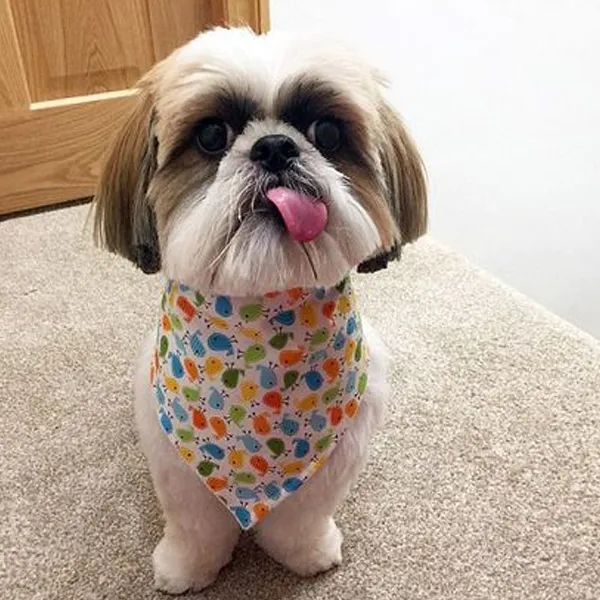
At around ten months old, your Shih Tzu will begin transitioning from their puppy coat to their adult coat. This process can be challenging due to the increased likelihood of matting as the coat changes. Regular brushing is necessary to manage this transition and prevent tangles and mats.
Establishing a grooming routine is critical at this stage. Shih Tzus require frequent grooming to maintain their beautiful coats. If you find grooming at home to be challenging, professional groomers can help ensure your Shih Tzu’s coat remains in top condition. During this time, you might also notice changes in your Shih Tzu’s coat texture, as it becomes softer and fluffier, eventually settling into the adult coat that will require lifelong maintenance.

1 Yr Adult Shih Tzu: Fully Grown and Mature
By the time your Shih Tzu reaches one year of age, they are considered fully mature. According to the American Kennel Club (AKC), a mature Shih Tzu should stand between 9 and 10.5 inches tall, with males typically weighing between 9 and 16 pounds, and females slightly less. At this stage, your Shih Tzu will have settled into their adult personality and habits.
Maintaining a regular exercise routine is crucial to keep your Shih Tzu fit and healthy. Feeding them a high-quality diet appropriate for their size and age will support their overall well-being. Periodic vet checkups are essential to monitor their health and catch any potential issues early. By this stage, your Shih Tzu should be well-socialized, well-trained, and a beloved companion that brings joy to your life.

Shih Tzu Development Stages FAQs
When does a Shih Tzu puppy open its eyes?
Shih Tzu puppies typically open their eyes around 10 to 14 days after birth, which marks the beginning of their sensory development.
How long does the teething phase last?
The teething phase usually begins at around 3 to 4 weeks of age and continues until they are about 6 to 7 months old, as their permanent teeth come in.
When should I start house training my Shih Tzu?
House training should begin as soon as you bring your Shih Tzu home, which is usually around 8 weeks old. Consistency and patience are key during this process.
How often should I groom my adult Shih Tzu?
Adult Shih Tzus require daily grooming to prevent matting and tangles, along with regular visits to a professional groomer every 4 to 6 weeks to maintain their coat.
What size should my Shih Tzu be at one year old?
By one year of age, a fully mature Shih Tzu should stand between 9 and 10.5 inches tall, with males typically weighing between 9 and 16 pounds, and females slightly less.
Shih Tzu Development Stages Recommended Products
Supporting your Shih Tzu through their various development stages involves providing them with the right products. The KONG Puppy Teething Stick is perfect for soothing gums during the teething phase, promoting healthy chewing habits. To meet their nutritional needs, Blue Buffalo Life Protection Formula Small Breed Puppy Food offers a balanced diet that supports healthy growth and development. A Puppy Playpen Exercise Pen provides a safe space for your Shih Tzu to explore and play as they grow, while the Small Dog Harness and Leash set is an excellent tool for training and walking, especially during the adolescent stage. Lastly, the FURminator deShedding Tool for Small Dogs is ideal for managing shedding as your Shih Tzu transitions to their adult coat, reducing matting and tangles.
No products found.
Conclusion for Shih Tzu Development Stages
Understanding the Shih Tzu development stages from puppyhood to adulthood is key to raising a well-adjusted, healthy dog. By knowing what to expect at each stage and providing the right care, you can ensure your Shih Tzu grows into a confident and loving companion. Each stage of development is unique, offering opportunities to bond with your pet and set the foundation for a happy life together. Enjoy the journey, and give your Shih Tzu the love and care they need at every stage.