

Introduction
The Importance of learning how to train a Shih Tzu
Training is a crucial aspect of raising any dog. How to train a Shih Tzu is a common question. Known for their affectionate nature and charming personalities, Shih Tzus can also be quite independent, which sometimes translates into stubbornness. Shih Tzu Obedience training not only ensures your Shih Tzu behaves appropriately in various settings but also strengthens the relationship between you and your pet. By teaching your Shih Tzu to follow commands and behave well, you create a foundation for a peaceful and enjoyable life together.
Unique Challenges in how to train a Shih Tzu
Shih Tzus are undeniably endearing, but their training can present specific challenges. Their independent streak means they might not always be quick to follow commands, particularly if they don’t see the immediate advantage. Moreover, their small size may tempt some owners to overlook undesirable behavior, but consistency is essential. Recognizing these challenges and approaching training with patience and determination will pave the way for a smoother and more successful experience.
Getting Started with Shih Tzu Training
When to Begin Training Your Shih Tzu
The ideal time to start Shih Tzu obdeince training is as early as possible. Puppies are highly receptive to learning, making it easier to establish good habits from a young age. Training should ideally begin when your Shih Tzu is around 8 to 12 weeks old, setting the stage for a well-behaved adult dog. However, if you have an older Shih Tzu, don’t be discouraged—training can still be effective, though it may require more patience.
Setting Realistic Training Goals
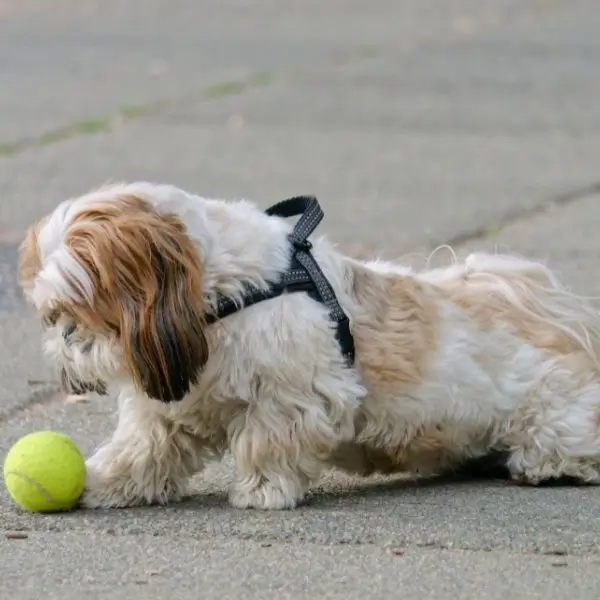
It’s crucial to set achievable goals when obedience training a Shih Tzu. While they are smart dogs, their sometimes stubborn demeanor means that training might progress more slowly than with other breeds. Progress may be gradual, but every small victory counts. Celebrate the wins, no matter how minor, and ensure that your expectations are aligned with your Shih Tzu’s pace of learning.
Creating a Supportive Training Environment
A positive environment is vital for success when learning how to train a Shih Tzu. Shih Tzus respond best to encouragement, with rewards such as treats, praise, and playtime making the process enjoyable for them. Ensure training sessions are brief, enjoyable, and stress-free. A calm, distraction-free space will help your Shih Tzu focus, making the training more effective.
Core Commands and Their Significance
Teaching “Sit”: The Bedrock of Obedience
The “Sit” command is typically one of the first and most essential commands to teach your Shih Tzu. It forms the bedrock of obedience training, helping your dog understand that responding to commands leads to positive outcomes. To teach this, hold a treat above your dog’s nose and slowly move it upwards. As your Shih Tzu’s head follows the treat, their bottom will naturally lower to the ground. Once they sit, reward them immediately with the treat and lots of praise.
“Stay”: Instilling Patience and Control
“Stay” is another fundamental command that teaches your Shih Tzu to be patient and in control. It’s particularly useful for preventing your dog from rushing out of doors or jumping on visitors. Begin by having your dog sit, then slowly back away while holding out your hand in a stop gesture. Gradually increase the distance and duration of the stay before rewarding your dog, ensuring they don’t move until you release them.
“Come”: Reinforcing Recall
The “Come” command is crucial for your Shih Tzu’s safety, especially in unpredictable situations. Start in a quiet area free from distractions, and use a cheerful tone to call your dog’s name followed by “Come.” When they approach, shower them with treats and praise. Regular practice in different settings helps solidify this command, making sure your Shih Tzu will reliably return to you, even in more distracting environments.
“Leave It”: Curbing Unwanted Behaviors
“Leave It” is an essential command that helps prevent your Shih Tzu from picking up something harmful or engaging in undesirable behaviors. Begin by holding a treat in a closed hand and letting your dog sniff it. When they lose interest, say “Leave It” and offer them a different treat as a reward. This command teaches them to ignore objects or behaviors you don’t want them to engage with.

“Down”: Encouraging Calm Behavior
The “Down” command is useful for promoting calm behavior, particularly in situations where your Shih Tzu needs to settle. Start with your dog in a sitting position, then hold a treat close to their nose and slowly lower it to the ground. As your dog follows the treat, their body will naturally lie down. Once they are in the down position, immediately reward them. This command is also helpful for managing your dog’s energy levels by encouraging relaxation.
Potty Training Your Shih Tzu
Establishing a Consistent Routine
Potty training is a fundamental aspect of obedience training for Shih Tzus. Establishing a consistent routine is key to success. Take your Shih Tzu outside at regular intervals, such as right after waking up, after meals, and before bedtime. Consistency helps your dog learn when and where they are supposed to relieve themselves.
Effectively Using Crate Training
Crate training can be a powerful tool in potty training. Dogs generally avoid soiling their sleeping area, so using a crate helps your Shih Tzu learn to hold their bladder until it’s time to go outside. Make sure the crate is appropriately sized—just large enough for your dog to stand and turn around, but not so big that they can relieve themselves in one corner and sleep in another. Potty training is often a challenge and so we have a Potty Training Shiz Tzu post dedicated to that.
Socialization in how to train a Shih Tzu
Introducing Your Shih Tzu to Varied Environments
Socialization is a critical component of a well-rounded obedience training program, and introducing your Shih Tzu to a variety of environments helps them become confident and well-adjusted. Take your dog to different places, such as parks, pet-friendly shops, and diverse neighborhoods. Exposure to various sights, sounds, and smells teaches your Shih Tzu to remain calm and obedient in any situation.
Socializing with Other Dogs
Proper socialization with other dogs is essential for preventing aggression or fearfulness. Arrange playdates with well-mannered dogs or enroll your Shih Tzu in a puppy class. These supervised interactions allow your dog to learn appropriate behavior, helping them become comfortable and friendly around other dogs.
Handling New People and Experiences
Introducing your Shih Tzu to new people and experiences is equally important. Encourage positive interactions by allowing your dog to approach new people at their own pace. Reward calm behavior and use treats to reinforce positive associations with new encounters. This will help your Shih Tzu develop confidence and adapt to different situations without anxiety.

Overcoming Common How to Train a Shih Tzu challenges
Managing Stubbornness
Dealing with a stubborn Shih Tzu can be one of the more frustrating aspects of training. It’s important to remember that patience and persistence are key. Break training into short, manageable sessions and use plenty of positive reinforcement to keep your dog motivated. If your Shih Tzu is particularly resistant to a command, try to find out what motivates them the most—whether it’s a specific treat, toy, or praise—and use that to your advantage.
Addressing Barking Issues
Excessive barking is a common issue with Shih Tzus, often stemming from boredom, anxiety, or a desire for attention. To manage this, it’s important to identify the cause of the barking and address it directly. Teach your dog the “Quiet” command by rewarding them when they stop barking on cue. Consistent training and ensuring your dog’s needs for exercise and mental stimulation are met can significantly reduce unwanted barking.
Handling Separation Anxiety
Shih Tzus are known for forming strong bonds with their owners, which can sometimes lead to separation anxiety. Signs of separation anxiety include excessive barking, destructive behavior, and distress when you leave the house. To alleviate this, gradually acclimate your dog to being alone by starting with short departures and gradually increasing the time apart. Providing interactive toys and creating a calm, reassuring environment can also help.
Advanced Shih Tzu Training Techniques
Teaching “Heel”: Walking Without Pulling
Teaching your Shih Tzu to walk on a leash without pulling, or “Heeling,” is an advanced yet essential skill. Start by having your dog walk beside you on a loose leash, rewarding them frequently for staying in the correct position. Gradually increase the length of time they walk without pulling, and practice in different environments to reinforce the behavior.
BIG TIP: Use a slip leash, make sure it’s at the top of your dogs head and not around the neck for often instant improvements with walking on leash.
No products found.
Introducing Tricks for Mental Stimulation
Teaching your Shih Tzu tricks is not only fun but also provides valuable mental stimulation. Start with simple tricks like “Shake” or “Roll Over,” using treats and praise to reinforce each step. These tricks keep your dog’s mind active and strengthen the bond between you and your pet.
No products found.
How to train a Shih Tzu for Off-Leash Reliability
Off-leash training is a more advanced goal that requires a solid foundation of obedience. Begin by practicing recall commands in a controlled, enclosed area. Gradually introduce more distractions and larger spaces as your dog’s recall improves. Achieving off-leash reliability takes time and patience but offers the ultimate freedom and trust between you and your Shih Tzu.
Positive Reinforcement: The Key to Success
Why Positive Reinforcement is Best for Shih Tzus
Positive reinforcement is the most effective training method for Shih Tzus. This breed responds well to rewards like treats, praise, and play, making learning enjoyable and motivating them to repeat good behavior. Positive reinforcement builds trust and encourages your dog to view training as a positive experience.
Using Treats, Praise, and Play as Rewards
Rewards are a critical component of positive reinforcement. Find out what your Shih Tzu loves most, whether it’s a particular treat, a favorite toy, or verbal praise, and use these rewards to reinforce desired behaviors. Be consistent in rewarding good behavior to help your dog understand what is expected of them.
No products found.
Avoiding Punishment-Based Training
Punishment-based training can lead to fear, anxiety, and a breakdown in trust between you and your Shih Tzu. Instead of punishing undesirable behavior, focus on redirecting your dog’s attention to appropriate behaviors and rewarding them for compliance. This approach leads to a more positive and effective training experience.
The Role of Consistency in Training
Why Consistency is Crucial
Consistency is vital in dog training, especially for Shih Tzus, who can be prone to stubbornness. Using the same commands, rewards, and routines helps your dog understand what is expected of them. Inconsistent training can confuse your dog and slow down their progress.
How to Train a Shih Tzu & Consistency Across Family Members
To ensure consistency in training, it’s important that all family members are on the same page. Everyone should use the same commands and follow the same rules when interacting with the Shih Tzu. This unified approach prevents confusion and helps reinforce the training.
Setting a Daily Training Schedule
Establishing a daily training schedule helps reinforce the behaviors you want your Shih Tzu to learn. Short, frequent sessions are more effective than long, occasional ones. Incorporate training into your daily routine, making it a natural and consistent part of your dog’s life.
Tools and Equipment for How to Train a Shih Tzu
Choosing the Right Leash and Collar
Selecting the right leash and collar is essential for effective training. A standard 4- to 6-foot leash and a comfortable, properly fitting collar are ideal for most training exercises. For specific training needs, such as teaching “Heel,” a head collar or harness may be beneficial.
No products found.
The Benefits of Clicker Training
Clicker training is a popular and effective method that uses a small device to mark desired behaviors. The sound of the clicker, followed by a treat, helps your Shih Tzu quickly associate the behavior with a reward. This method is particularly useful for teaching new commands and reinforcing good behavior.
No products found.
Training Aids: When and How to Use Them
Training aids, such as treat pouches, training pads, and interactive toys, can be helpful in reinforcing training efforts. These tools can make training more efficient and enjoyable for both you and your dog. Use them as needed to support the training process, but always prioritize consistency and positive reinforcement.
The Importance of Patience and Persistence
Understanding the Shih Tzu Temperament
Understanding your Shih Tzu’s temperament is key to successful training. This breed is affectionate and loyal but can also be independent and stubborn. Recognizing these traits helps you tailor your training approach to be more effective and patient.
How to Stay Patient During Training
Training a Shih Tzu requires patience, especially when progress seems slow. Remember that small steps forward are still progress. Take breaks when needed and avoid frustration, as dogs can pick up on negative emotions. Keeping a positive attitude will make the training process more enjoyable for both you and your dog.
Celebrating Small Successes
Celebrating small successes is important in maintaining motivation during training. Every time your Shih Tzu responds correctly to a command or improves in a particular behavior, acknowledge it with praise and a reward. These small victories build confidence and reinforce the positive behavior you want to see.
Incorporating Training into Daily Life
Reinforcing Commands Throughout the Day
Incorporating training into daily activities helps reinforce the commands your Shih Tzu has learned. Use opportunities throughout the day, such as asking your dog to sit before meals or to stay while you answer the door, to practice and strengthen their obedience.
Turning Playtime into Training Time
Playtime offers a perfect opportunity to reinforce training. Incorporate commands like “Fetch,” “Drop It,” or “Stay” into your play sessions. This makes training fun and engaging for your Shih Tzu, helping them learn while they play.
Using Walks as Training Opportunities
Walks are another great time to practice obedience commands. Work on skills like “Heel,” “Sit,” and “Come” while on your daily walks. The variety of sights and smells on a walk provides natural distractions that help reinforce your Shih Tzu’s focus and obedience.

Professional Help: When to Consider It
Signs You Might Need Professional Help
While many owners can successfully train their Shih Tzu at home, there are times when professional help may be needed. If your dog exhibits persistent behavioral issues, such as aggression, extreme fear, or severe separation anxiety, it may be time to consult a professional trainer.
Choosing a Qualified Dog Trainer
When choosing a dog trainer, look for someone who uses positive reinforcement methods and has experience with small breeds like Shih Tzus. Ask for references and observe a training session if possible. A good trainer will not only work with your dog but also teach you how to continue training at home.
What to Expect from Professional Training Sessions
Professional training sessions typically involve a combination of one-on-one work with the dog and instruction for the owner. Expect to learn techniques for reinforcing good behavior, correcting issues, and building a stronger bond with your Shih Tzu. Consistency in practicing what you’ve learned at home is crucial for long-term success.
Maintaining Obedience Long-Term
Regular Practice: Keeping Skills Sharp
Maintaining obedience is an ongoing process. Regular practice of commands and behaviors ensures that your Shih Tzu’s skills remain sharp. Even after your dog has mastered basic obedience, continue to practice regularly to prevent them from forgetting what they’ve learned.
Refreshing Training Periodically
It’s important to periodically refresh your Shih Tzu’s training, especially as they age or if new behavioral issues arise. A refresher course, either at home or with a professional, can help reinforce positive behavior and address any new challenges.
Adapting Training as Your Shih Tzu Ages
As your Shih Tzu ages, their training needs may change. Older dogs might require more patience and gentler methods. Adapting your training approach to fit your dog’s age and physical abilities helps ensure that they continue to respond well to commands and remain well-behaved.
No products found.
Addressing Behavioral Issues
Understanding the Root of Behavioral Problems
To effectively address behavioral issues, it’s essential to understand their root cause. Behavioral problems in Shih Tzus can stem from a variety of factors, including fear, anxiety, boredom, or health issues. Identifying the underlying cause helps in developing an effective strategy for correction.
Techniques for Correcting Unwanted Behavior
Once you understand the root of the problem, use consistent, positive reinforcement to correct unwanted behavior. Redirect your dog’s focus to a more appropriate behavior and reward them for complying. Patience and persistence are key to successfully overcoming behavioral challenges.
No products found.
When Behavioral Issues Require Veterinary Attention
In some cases, behavioral issues may be linked to underlying health problems. If your Shih Tzu’s behavior changes suddenly or becomes severe, it’s important to consult a veterinarian. Health-related behavioral issues often require a combination of medical treatment and behavioral training to resolve.
Training Multiple Shih Tzus
Challenges of Training More Than One Dog
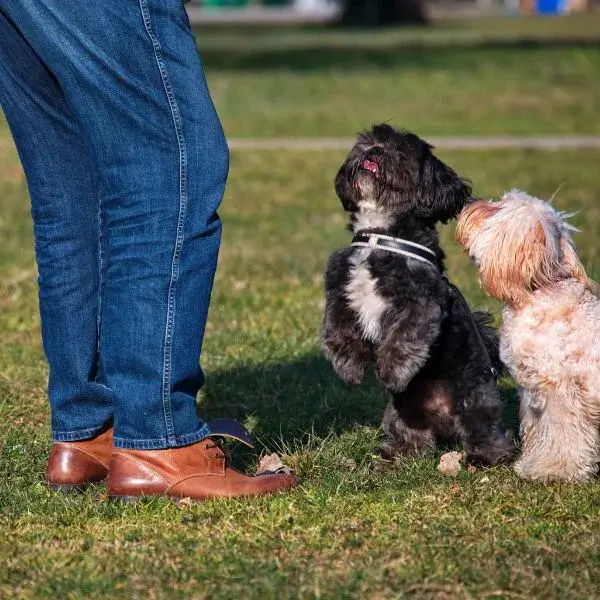
Training multiple Shih Tzus simultaneously can be challenging, as each dog has its own personality and learning pace. It’s important to ensure that each dog receives individual attention and training tailored to their specific needs. Managing group dynamics while reinforcing positive behavior in each dog requires careful planning and consistency.
How to Train Multiple Dogs Simultaneously
When training multiple dogs, start with individual sessions to establish basic obedience with each dog. Once each dog is responding well to commands on their own, gradually introduce group sessions. Use clear, consistent commands and reward good behavior in all dogs to reinforce training.
Ensuring Individual Attention During Training
Even in a multi-dog household, it’s important to provide individual attention during training. This helps each dog feel valued and ensures that they are learning at their own pace. Balancing group and individual training sessions is key to maintaining harmony and effective learning.
No products found.
The Bond Between Training and Trust
How Training Strengthens the Owner-Dog Relationship
Obedience training is not just about teaching commands; it’s also about building trust and communication between you and your Shih Tzu. Through consistent training, your dog learns to rely on you for guidance, and you learn to understand your dog’s needs and behavior. This mutual understanding strengthens the bond between you and your pet.
Building Trust Through Obedience
Trust is built when your Shih Tzu knows they can rely on you to provide consistent, fair, and positive guidance. Obedience training fosters this trust by establishing clear expectations and rewarding compliance. Over time, your dog will become more confident and secure, knowing that they can trust you to lead them.
The Long-Term Benefits of a Well-Trained Shih Tzu
A well-trained Shih Tzu is a joy to live with. They are more adaptable to new situations, better behaved in public, and more responsive to your commands. This not only makes your life easier but also enriches the relationship you share with your dog. The investment in training pays off in a well-behaved, happy, and confident companion.
No products found.
The Joy of a Well-Trained Shih Tzu
How Obedience Training Enhances Daily Life
Obedience training enhances daily life by creating a harmonious living environment. A well-trained Shih Tzu knows how to behave in different situations, reducing stress and making everyday activities more enjoyable. Whether you’re walking in the park, hosting guests, or simply relaxing at home, a well-trained dog contributes to a peaceful and pleasant atmosphere.
Enjoying More Freedom with Your Shih Tzu
A well-trained Shih Tzu can enjoy more freedom, such as off-leash walks in safe areas or accompanying you on outings. Knowing that your dog will respond reliably to commands gives you the confidence to explore new experiences together. This increased freedom leads to a more fulfilling life for both you and your dog.
The Pride in a Well-Behaved Companion
There is a great sense of pride in having a well-behaved Shih Tzu. Knowing that your efforts in training have led to a dog that is not only obedient but also happy and confident is incredibly rewarding. This pride reflects the strong bond you have built with your Shih Tzu and the positive impact of your dedication to their training.
Conclusion
Recap of Key Training Principles
Training a Shih Tzu requires patience, consistency, and a deep understanding of their unique temperament. By starting early, using positive reinforcement, and maintaining regular practice, you can successfully train your Shih Tzu to be a well-behaved and happy companion.
Encouragement to Begin or Continue Training
Whether you’re just starting with a new Shih Tzu puppy or continuing to train an older dog, the journey of obedience training is a lifelong commitment. The rewards of training—a well-behaved, confident, and loving companion—make every moment of effort worthwhile.
Final Thoughts on the Lifelong Journey of Training a Shih Tzu
Training a Shih Tzu is more than just teaching commands; it’s about building a relationship based on trust, respect, and love. The journey of training is ongoing, but with each step, you and your Shih Tzu grow closer, creating a bond that will last a lifetime. Enjoy the process, celebrate the successes, and cherish the joy of having a well-trained, beloved Shih Tzu by your side.