

All you need to know about Shih Tzu Vaccinations
When a Shih Tzu joins your family, they need your love and care. Vaccinations are essential to ensure their health and protect them from diseases, guaranteeing a long, happy life.
After getting a Shih Tzu, one of your first steps should be to visit the veterinarian. They will inform you about the necessary vaccinations and their schedules. Before administering any vaccines, the vet will conduct a thorough examination. This involves checking your Shih Tzu’s temperature, mucous membranes, lymph nodes, and abdomen to ensure they are healthy and ready for vaccination. Vets understand Shih Tzu characteristics and the diseases they are prone to. They are the best resource for developing an appropriate vaccination plan for your pet.
Why Your Shih Tzu Needs to be Vaccinated
Dogs need to be vaccinated to protect them from diseases that can put their health, lives and sometimes your own life in danger. Thus, vaccines are a preventive treatment to diseases to prevent the spread of viruses and bacteria. The vaccines introduce defense antibodies to your Shih Tzu’s body to help them fight against dangerous and deadly diseases.
Shih Tzu puppies are different from adults because they receive immunity from their mother first. All thanks to the antibodies from the breast milk. These antibodies are transmitted throughout the puppy’s body for 24 hours after breastfeeding and then disappear. If the puppy is not properly protected after their lactation period by means of vaccination on time, they can have parasites transmitted by their mother. Therefore, it is important to deworm your Shih Tzu puppy first before starting vaccination.
Shih Tzus are especially vulnerable to Parvovirus so they should be given the first dose of their vaccine before 45 days.
Vaccination Law
Some vaccines are mandatory by law, while others are optional but beneficial for your Shih Tzu. During the first visit, the veterinarian will provide a health booklet that tracks vaccination schedules and reminders. It’s essential to keep this booklet safe, as it serves as both a reminder for you and a document for authorities when requested.

The Importance of Shih Tzu Vaccination
Vaccines have effectively managed many infectious diseases. Your veterinarian will recommend vaccinating your Shih Tzu to reduce infection risks. Following the vaccination plan protects your dog and helps prevent epidemics that could harm immunosuppressed or allergic dogs.
There are many people who ask us why they should vaccinate their Shih Tzu. There are many reasons that would convince you to do so.
Top Shih Tzu Vaccination Reasons
- First of all, protect your Shih Tzu’s health. In fact, for the majority of cases, the vaccine works. It is true that there are risks but there are many dogs whose lives are saved by vaccines.
- Strengthen the immune system. It strengthens it through the introduction of inactive viruses. This generally causes your Shih Tzu to be stronger and less prone to numerous diseases. Even those for which they are not vaccinated for.
- Remember that there are some diseases that can be transmitted to humans. Therefore it is essential to vaccinate your Shih Tzu against these diseases to protect your health as well.
Deworming before Vaccines
It is necessary to deworm your Shih Tzu internally and externally before their first vaccine. The different types of parasites can alter the health of your Shih Tzu and therefore the vaccines may not be as effective as they should be. Once your Shih Tzu’s vaccinations are finished, they must be internally dewormed every 3-4 months and before each revaccination to ensure the effectiveness of each vaccine.
Shih Tzu Vaccination Shedule

To give you an idea on the basic Shih Tzu vaccination schedule, below is a basic vaccination plan that you can follow:
- At 45 days: first dose of the Parvovirus vaccine.
- At 9 weeks of age: the second vaccine should be done that will be for the protection against distemper, Adenovirus type 2, Infectious hepatitis C and Leptospirosis. This is also when the second dose of the Parvovirus vaccine is done. A Coronavirus vaccine is optional in this stage.
- At 12 weeks of age: one dose of the previous vaccine and the third of Parvovirus are done once again.
- From 4 months of age: the Rabies vaccine.
- Repeat the pentavalent vaccine (Parvovirus / Moquillo / Hepatitis / Parainfluenza / Leptospirosis) and Rabies annually.
- Subsequently, and optionally, you can opt for vaccines to protect them against Parainfluenza, kennel cough, Lyme disease, Leishmaniasis, and Coronavirus.
Easy Vaccination Table
If you want to know more about the complete schedule of each vaccine, below is a table containing all the information about it:
| Disease | Etiological Agent | Duration of Immunity | 1st Vaccine Series | Revaccination/s |
| Distemper | Canine DistemperVirus, CDV | 5-7 years | Low risk: 8 + 12 weeks
High risk: 6 + 9-11 + 12-14 weeks | 1st after a
subsequent year: every 3 years |
| Parvovirus | Canine Parvovirus 2, CPV-2 | 7 years | Low risk: 8 + 12 weeks
High risk: 6 + 9-11 + 12-14 weeks | 1st after a
subsequent year : every 3 years |
| Infectious hepatitis and kennel cough (Infectious tracheobronchitis) | Canine Adenovirus 1, CAdv-1
Canine Adenovirus 2, CAdv-2 | 7 years | Low risk: 8 + 12 weeks
High risk: 6 + 9-11 + 12-14 weeks | 1st after a
subsequent year : every 3 years |
| Kennel cough (Infectious Tracheobronchitis) 2 | Canine Parainfluenza Virus, CPIV | 3 years | Low risk: 8 + 12 weeks
High risk: 6 + 9-11 + 12-14 weeks | 1st after a
subsequent year : every 3 years |
| Leptospirosis | Leptospira interrogans | about 12 months | Low risk: 12 + 16 weeks
High risk: 12 + 15-16 + 18-19 weeks | 1st after a
subsequent year : At least every year |
| Rabies | Rabies Virus | 3 years | Not earlier than 3 months of age | 1st after a
subsequent year : every 1-3 years |
| Lyme disease | Borrella burgdorferi | about 12 months | only dogs on request: 6-9 weeks | Close calls |
| Coronavirus | Canine Coronavirus | about 12 months | only dogs on request: 6-9 weeks | |
| Ringworm or Dermatophytosis | Microsporum canis | only dogs on request: 6-8 weeks | Recalls every 9 months with 2 spaced inoculations of 14 days | |
| Piroplasmosis or Babesiosis | Babesia canis | only dogs on request: 20 + 23-24 weeks | Annual or semi-annual calls |
Remember to ask the Veterinarian about which Vaccine
It is important to be aware of the types of vaccines that your Shih Tzu needs to have even before welcoming them into your home to be truly aware of the commitment that this entails.
Having a Shih Tzu does not only include the positive aspects such as company, having a trusted pal, the affection, and the contagious joy that it can give you. It also the more demanding aspects, which involve taking care of them, feeding them, and ensuring they have adequate veterinary assistance.
No products found.
Is Shih Tzu Vaccination Mandatory
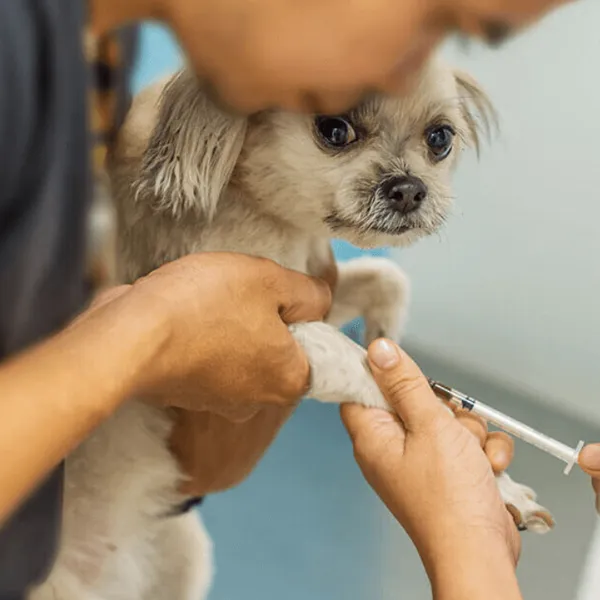
Although there are disadvantages to the use of vaccines in Shih Tzus including the price and the excessive revaccination, there are vaccines that you are required to have for your Shih Tzu. The main one is the Rabies vaccine.
This vaccine is not effective before the first 12 weeks of your Shih Tzu’s life. It is administered after 4 months and your Shih Tzu will be protected after 14 days. For this reason, if you want to travel with them, we recommend that you have the veterinarian inject it at least one month before the trip. It may happen that in the country of destination, they will not let your Shih Tzu in or quarantine them for fifteen days so it’s best to do your research beforehand. Once the first dose is injected, it is important to repeat it annually.
When your Shih Tzu is just a puppy, they need to be vaccinated against Parvovirus which should be one of the firsts of their vaccines because of its high mortality rate aside from Moquillo. It is important to repeat it annually.
Your veterinarian might recommend that you include in your Shih Tzu’s annual vaccination schedule those for other types of contagious diseases to prevent infections. These vaccines are optional, but we recommend their administration to avoid unnecessary scares.
Side Effects of Shih Tzu Vaccinations
Vaccines are necessary for the welfare of our Shih Tzus since its purpose is to mobilize their defenses against certain diseases. However, sometimes there are problems arising from them such as certain side effects that manifest themselves in different ways. Such adverse reactions usually take place three days after the injection and occur more frequently in young Shih Tzus. The Rabies and the leptospirosis vaccine are the ones that have the most side effects, although this depends largely on the individual circumstances of each Shih Tzu.
The side effects of vaccines are not usually very serious since before your Shih Tzu receives its dose, they have been tested to be totally safe.
Frequent Side Effects List
- Numbness: Your Shih Tzu would be more sleepy than usual.
- Apathy: You Shih Tzu may show little desire to go outside or play with other dogs. Either because of the numbness or the stress of having taken to the vet.
- Intestinal disorders: Some vaccines can cause stomach pain, diarrhea, or vomiting so it is common for your Shih Tzu to show poor appetite.
- Inflammation in the injected area: The appearance of a lump in the puncture site is due to the fact that the vaccine liquid has not been absorbed yet. It will disappear in a few days, you just have to make sure that the area is not scratched to avoid injuries.
- Respiratory problems: It is the least common, but your Shih Tzu may have mucus, cough or some flu.
- Afalaxia: The most serious of all. Your Shih Tzu will not be able to breathe well because his throat or muzzle is swollen. They may have a weak pulse, diarrhea, or vomiting. In this case, you have to take them to the veterinarian as soon as possible.
Another frequent side-effect is the swelling of the eyelids and lips, often accompanied by generalized itching and/or hives. In this case, you must take your Shih Tzu to a clinic as soon as possible so that the inflammation does not spread to your Shih Tzu’s delicate areas such as the larynx. The vet will give your Shih Tzu a corticosteroid and check their condition in the following days.
On the other hand, sometimes your Shih Tzu will develop a fever or have a slight tooth decay . On this occasion, it is best to take them to the veterinarian as a way of prevention to avoid more serious problems. The veterinarian can prescribe some medicine to fight the pain and fever.
Less common issues to watch for
Gastrointestinal problems such as vomiting and / or diarrhea may also occur during the hours after vaccination. Most likely, the veterinarian will suggest the administration of antiemetic products to prevent vomit and gastric sickness. This is accompanied by a soft diet and frequent check-ups.
Finally, in the worst case, your dog may be a victim of anaphylactic shock which usually occurs 20 minutes after vaccination. It manifests itself through severe hypotension and a serious condition on the cardiovascular system. This requires urgent veterinary attention including an adrenaline injection and possible admission.
Type of Shih Tzu Vaccines
To know what vaccines are necessary for your Shih Tzu vaccination and when it’s appropriate to perform them, it is very important to go first to the veterinarian’s office so that they can perform a check-up on your Shih Tzu’s health so they can make a personalized vaccination schedule.
Below are the basic Shih Tzu vaccines that the veterinarian might recommend.
The essential vaccines
They are called that because they are against diseases that if contracted can compromise the life of your Shih Tzu. In our country, dogs are always protected against diseases and viruses such as:
- Canine Distemper: This is a multisystemic disease that mainly affects the lungs, intestine, and brain. The usual symptoms are fever, nasal, ocular secretion, tiredness and/or neurological signs such as tremors or convulsions. This is usually a very contagious and deadly disease in most cases. A Shih Tzu is usually injected by this the first time at 6 weeks of age and then another one is made at two, three and four months and then a year to continue the rest of his life every three years.
- Parvovirus: As we said before, it is a very contagious viral disease that affects the intestine and white blood cells and causes vomiting and diarrhea and that can put your Shih Tzu’s life at risk in a few days if it is not treated in time. It is given the first time at 6 weeks of age and then another one is made at two, three and four months and then a year to continue the rest of his life every three years.
- Rabies: Being a viral disease that can be transmitted to humans through bites, it is mostly in some countries and in most autonomous communities mandatory by law. Rabies affects the central nervous system and is lethal in most cases. The first dose is given at 4 months of age and then every year.
Non-essential vaccines
In addition to the described vaccines above, there are also others that can fight against diseases that are not as serious as the previous ones. Their administration also provides health and well-being to your Shih Tzu. Here are some of them:
- Benign disease also known as “kennel cough” similar to human cold: It mainly affects the respiratory system causing inflammation of the trachea and the usual symptoms are dry cough and appearance of whitish phlegm.
- Fecal: It is an infectious intestinal viral disease that affects dogs of all ages, but mainly puppies.
- Heartworms: It would be another of the optional vaccines to protect your Shih Tzu from a disease caused by a parasite and that is transmitted through the bite of a mosquito. If it is not detected and treated in time, it can be fatal.
Polyvalent Vaccine
These types of vaccines include antibodies to several diseases and are given in a single injection so that your Shih Tzu is protected from all these diseases.
The most common polyvalent vaccines are:
- Pentavalent: Contains the Moquillo, Hepatitis, Kennel Cough, Parvovirus and Parainfluenza vaccine.
- Hexavalent: Contains all of the above, plus the vaccine for Leptospirosis and another strain of Parvovirus.
- Octavalent: It has the previous vaccines in its components plus other strains of Leptospirosis, Parvovirus, Parainfluenza, and also Coronavirus.
How Much do Shih Tzu Vaccinations Cost?
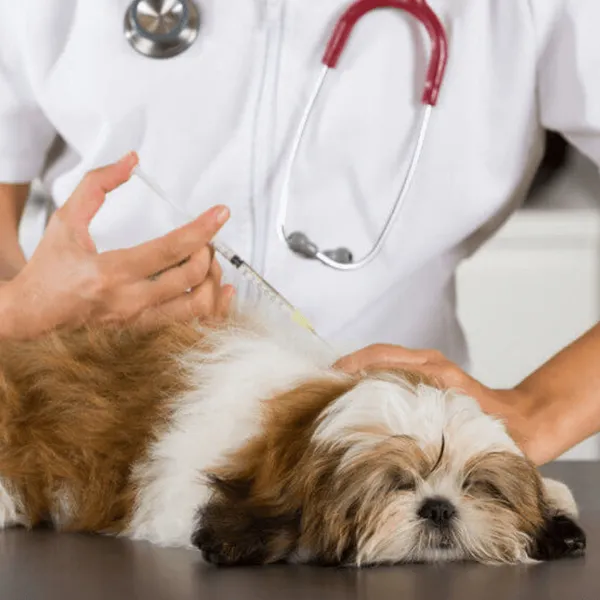
The cost of dog vaccinations can vary significantly based on factors such as location, the specific vaccinations being administered, and whether the dog is receiving vaccinations at a veterinary clinic, animal hospital, or vaccination event. Here’s a general breakdown of typical costs:
- Core Vaccinations:
- DHP (Distemper, Hepatitis, Parvovirus): $20 to $60
- Rabies: $15 to $50
- Non-Core Vaccinations (depending on lifestyle and risk factors):
- Bordetella (Kennel Cough): $10 to $40
- Lyme Disease: $15 to $60
- Leptospirosis: $15 to $40
- Combination Vaccines: Some clinics offer combination vaccines that may cover several diseases in one shot, potentially saving money. These can range from $50 to $100.
- Wellness Packages: Some veterinary clinics offer wellness packages that include vaccinations along with a check-up, which can be more cost-effective, usually ranging from $100 to $200.
- Annual Vaccination Fees: Some clinics charge a service fee for each visit, which can be around $40 to $70.
- Discounted Clinics: Community or low-cost clinics might offer vaccinations for as low as $10 to $20 for core vaccines.
It’s essential to consult your veterinarian to determine the necessary vaccinations for your dog based on their health, age, and lifestyle.
Shih Tzu Vaccination Tips
- Do not vaccinate lactating Shih Tzu puppies.
- Properly deworm puppies before vaccination and throughout the vaccination period.
- Respect the quarantine period. When they are still puppies and have not yet received vaccines, it is advisable not to put them in contact with other dogs whose health is not in good condition as they are very vulnerable and can get any disease that can be fatal.
- Meet the deadlines for the reinforcement of some vaccines. It is very important to follow this advice thoroughly, especially during its first year.
- Take into account the mandatory vaccines of each country when traveling.
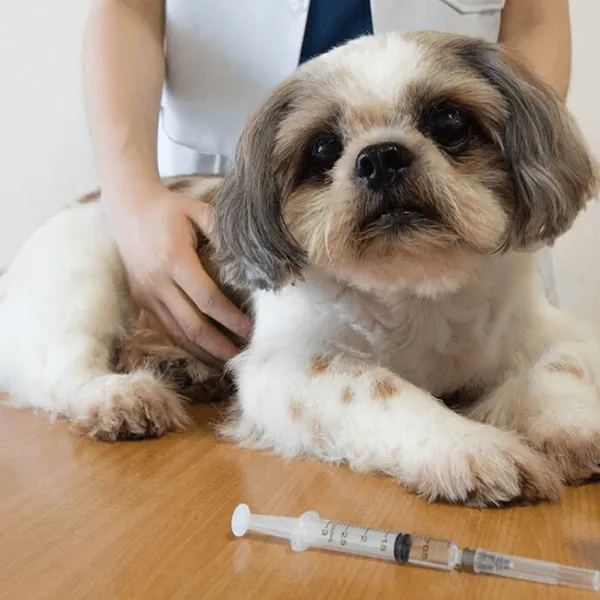
- Always consult with a veterinarian before administering vaccines.
No products found.