
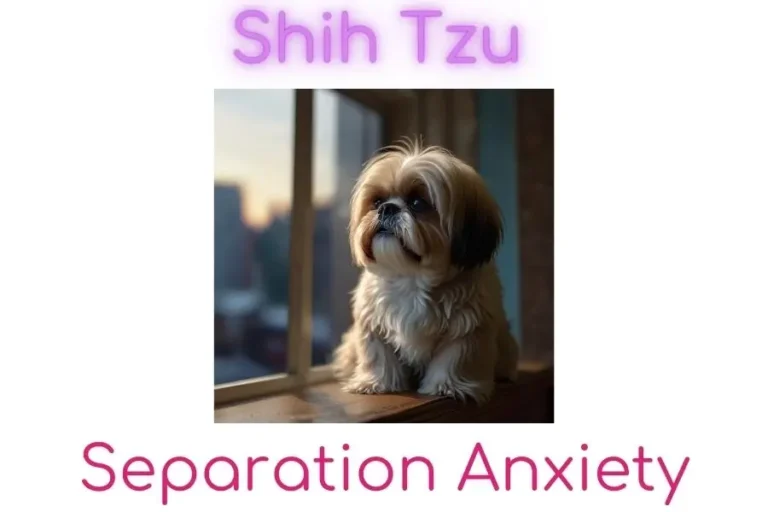
Introduction to Shih Tzu Separation Anxiety
Shih Tzu separation anxiety can be an issue for owners. These dogs are more than just adorable companions; they are affectionate, loyal, and deeply attached to their owners. This bond, while heartwarming, can sometimes lead to issues like separation anxiety. When left alone, these dogs can experience extreme distress, which manifests in various ways, affecting not only the Shih Tzu but also their owners.
Understanding separation anxiety and how to address it is crucial for ensuring the well-being of your Shih Tzu. This article explores why Shih Tzus are particularly prone to separation anxiety and provides comprehensive strategies for managing and preventing this condition.
What Is Separation Anxiety?
Separation anxiety in dogs is a behavioral condition characterized by extreme distress when the dog is left alone. Unlike general discontent or boredom, separation anxiety involves a profound emotional reaction that can lead to destructive behavior, vocalization, and even physical symptoms. Shih Tzus, with their affectionate and loyal nature, are especially vulnerable to this condition.
When separated from their owners, they may experience overwhelming feelings of anxiety, leading to behaviors that indicate their distress. Understanding this condition is the first step toward managing it effectively and ensuring that your Shih Tzu remains healthy and happy.

Why Do Shih Tzus Develop Separation Anxiety?
Shih Tzus are a breed that has been specifically bred for companionship. Over centuries, these dogs have developed a strong need to be close to their human families. This innate desire for closeness makes them more likely to suffer from separation anxiety when their owners leave. Shih Tzus do not just like being with their owners—they thrive on it. Their affectionate nature means they often struggle when left alone, even for short periods.
Environmental factors also play a significant role in the development of separation anxiety. Changes such as moving to a new home, alterations in the family structure (like a new baby or pet), or even changes in daily routines can trigger anxiety. Furthermore, Shih Tzus that have experienced trauma, such as being rehomed or losing a previous owner, are at a higher risk of developing separation anxiety. These experiences can leave deep emotional scars, making it difficult for the dog to cope with being alone.
Signs of Separation Anxiety
Recognizing the signs of Shih Tzu separation anxiety is essential for addressing the issue promptly. The earlier you identify the problem, the easier it will be to manage. Common signs include:
- Excessive barking, whining, or howling when left alone: Your pet may become vocal, expressing their distress through continuous noise that doesn’t subside until you return.
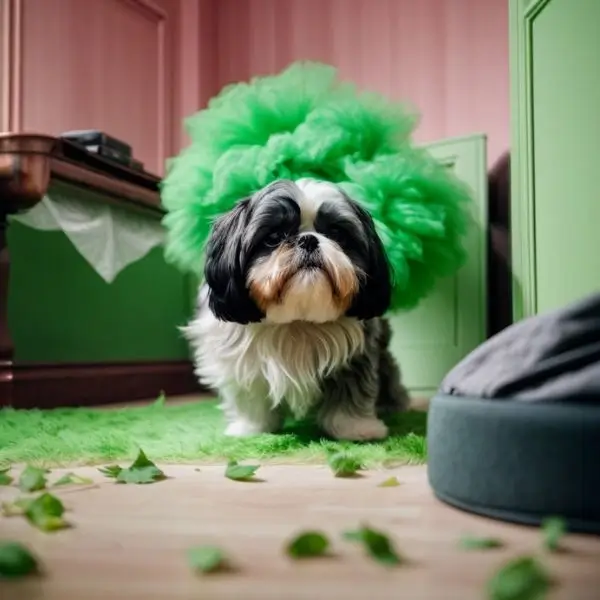
- Destructive behavior like chewing furniture or scratching doors: In an attempt to escape or release their anxiety, your Shih Tzu might chew on furniture, shoes, or anything within reach. Scratching at doors and windows is also common, as the dog may be trying to get out and find you.
- Pacing, trembling, or restlessness: Some dogs might walk in circles, pace back and forth, or exhibit trembling and restlessness. These physical signs reflect the internal turmoil they experience when left alone.
- Accidents in the house despite being house-trained: Even if your Shih Tzu is well-trained, anxiety can lead to loss of control over their bladder or bowels, resulting in accidents around the house.
- Excessive drooling, panting, or other physical symptoms: Anxiety can also manifest physically, with symptoms like drooling, panting, or even vomiting and diarrhea in extreme cases. These signs indicate high levels of stress that need to be addressed immediately.
Psychological Effects of Separation Anxiety
Shih Tzu separation anxiety doesn’t just affect behavior; it takes a significant psychological toll. The stress caused by separation anxiety can lead to chronic stress, which in turn can have a long-term impact on your dog’s overall well-being. Chronic stress may alter your Shih Tzu’s eating habits, either causing them to eat less or to overeat as a form of comfort. Over time, this stress can weaken their immune system, making them more susceptible to illness.
Additionally, the constant state of anxiety can shorten your Shih Tzu’s life span, as their body and mind are constantly under strain. The emotional bond between you and your Shih Tzu can also suffer. A dog that is continually anxious and fearful may become less trusting, more withdrawn, or even develop aggressive tendencies. This erosion of trust can make it difficult to repair the bond and can lead to more severe behavioral issues down the line.
Common Mistakes Owners Make
When dealing with Shih Tzu separation anxiety, well-meaning owners often make mistakes that can inadvertently worsen the problem. One of the most common mistakes is overcompensating with attention right before leaving or immediately upon returning. While it might seem like a good idea to shower your Shih Tzu with affection to reassure them, this behavior can actually reinforce their anxiety. The dramatic contrast between your presence and absence becomes more pronounced, making them even more anxious when you leave.
Another common mistake is inconsistent routines. Dogs thrive on predictability. A predictable schedule gives them a sense of security, while an erratic routine can increase their anxiety levels. For instance, if your Shih Tzu never knows when you’re leaving or returning, they may become more anxious as they struggle to anticipate what will happen next. Misinterpreting signs of anxiety as disobedience is also a frequent issue. Some owners may view destructive behavior or accidents as willful disobedience, leading to punishment. However, punishment can increase stress and exacerbate anxiety, making the situation worse rather than better.
How to Prevent Shih Tzu Separation Anxiety
Preventing Shih Tzu separation anxiety is far easier than treating it once it has developed. Establishing a consistent routine is one of the most effective preventive measures. A regular schedule for feeding, walking, and playtime helps your Shih Tzu know what to expect, reducing the likelihood of anxiety. Gradual desensitization techniques are also beneficial. Start by leaving your Shih Tzu alone for very short periods, then gradually increase the time as they become more comfortable. This method teaches your dog that your absence is not permanent and that you will always return.
Socialization and independence training are equally important. Encourage your Shih Tzu to spend time alone, even when you are home. For example, you can set up a comfortable area in another room with toys and treats, allowing them to learn that being alone is not a bad thing. This independence training helps your Shih Tzu develop the confidence to be alone without becoming anxious. Additionally, avoid making a big fuss when you leave or return home. Instead, try to make departures and arrivals as low-key as possible, so your Shih Tzu doesn’t associate these events with heightened emotions.
Managing Separation Anxiety
Once separation anxiety has developed, managing it requires a multifaceted approach. Crate training can be an effective tool for some Shih Tzus. A crate provides a safe, secure space where your dog can feel protected when you’re not home. However, it’s important to ensure that the crate is associated with positive experiences, not punishment. Introduce comfort items, such as a piece of your clothing with your scent, to help soothe your Shih Tzu in your absence. Familiar smells can provide a sense of comfort and reduce anxiety.
Exercise and mental stimulation are also crucial. A tired dog is a relaxed dog. Ensure that your Shih Tzu gets plenty of physical activity through walks, playtime, and other exercises. Mental stimulation, such as puzzle toys or treat-dispensing toys, can also keep your dog’s mind engaged, reducing the likelihood of anxiety setting in. Another effective strategy is to create a departure routine that signals to your Shih Tzu that you’ll be back soon. For example, give them a specific toy or treat only when you leave. Over time, your dog will associate your departure with something positive.
Creating a Calm Environment
The environment in which your Shih Tzu lives plays a significant role in their anxiety levels. A consistent environment with minimal changes is essential. Avoid making sudden changes to their living space, such as rearranging furniture or introducing new elements, as these can increase anxiety. Reducing external stressors is also important. Loud noises, too many visitors, or chaotic surroundings can exacerbate anxiety. Creating a calm, quiet space where your Shih Tzu can retreat when they feel stressed is beneficial.
Calming aids can also be helpful in creating a soothing environment. Pheromone diffusers release synthetic versions of the calming pheromones that mother dogs produce. These can help your pup feel more secure and reduce anxiety. Calming sprays or collars infused with natural ingredients like lavender and chamomile can also contribute to a peaceful atmosphere. Another option is to use white noise machines or calming music specifically designed for dogs, which can mask external noises that might trigger anxiety.
Using Technology to Help
Technology offers various tools to help manage separation anxiety in Shih Tzus. Interactive pet cameras, like the Furbo Dog Camera, allow you to monitor your Shih Tzu when you’re away. These cameras often have two-way audio, so you can talk to your dog, providing reassurance and reducing their anxiety. Some pet cameras even have treat dispensers, allowing you to reward calm behavior remotely.
Soothing music or TV shows designed for dogs can also be beneficial. For example, DogTV offers programs specifically created to reduce anxiety and provide comfort to dogs left alone. Automated treat dispensers, like the PetSafe Treat & Train, can be used to reward your Shih Tzu for calm behavior when you’re not home. These devices help reinforce positive behavior and create a distraction, reducing the focus on your absence.
The Role of Exercise
Exercise plays a crucial role in managing Shih Tzu separation anxiety. Regular physical activity helps burn off excess energy, which can otherwise manifest as anxiety. A well-exercised Shih Tzu is generally more content and less likely to become anxious when left alone. Daily walks are a great way to provide both physical exercise and mental stimulation. The sights, sounds, and smells of the outdoors can engage your dog’s senses and tire them out, reducing anxiety levels.
Engaging playtime is also important. Activities like fetch, tug-of-war, or agility training provide physical exercise and strengthen the bond between you and your Shih Tzu. Mental stimulation can be achieved through puzzle toys or interactive games, which challenge your dog’s brain and keep them occupied. Regular exercise routines not only help reduce anxiety but also contribute to your Shih Tzu’s overall health and well-being.
Diet and Supplements for Anxiety
Diet plays an essential role in your Shih Tzu’s mental and physical health. A balanced diet that includes all the necessary nutrients can help support brain health and reduce anxiety. Omega-3 fatty acids, found in fish oil supplements are known for their calming effects. These supplements can help reduce inflammation and support cognitive function, making them a great addition to your dogs diet.
Calming supplements, such as those containing L-theanine, chamomile, or valerian root, can also help manage anxiety. Zesty Paws Calming Bites are a popular choice, offering a blend of natural ingredients designed to soothe and calm anxious dogs. In addition to supplements, it’s important to ensure that your Shih Tzu’s diet is free from artificial additives, fillers, and preservatives, as these can contribute to hyperactivity and anxiety.
Products That Can Help
PetSafe Happy Ride Booster Seat
- Provides a secure and comfortable space in the car, reducing anxiety during travel. Ideal for dogs who experience anxiety on the road.
No products found.
ThunderShirt Anxiety Jacket
- Provides gentle pressure to calm anxiety, ideal for dogs with severe separation anxiety. This jacket can be worn during periods of high stress, such as when you’re leaving the house.
No products found.
Petcube Bites 2 Lite Interactive Wi-Fi Pet Monitoring Camera
- This interactive camera allows you to monitor your Shih Tzu and dispense treats remotely. It’s a great way to stay connected with your dog and reward calm behavior while you’re away.
No products found.
Calm Paws Calming Disk for Dogs
- This calming disk attaches to your Shih Tzu’s collar and slowly releases essential oils, such as lavender and chamomile, to help reduce stress and anxiety. It’s a subtle, ongoing way to promote relaxation.
No products found.
VetriScience Composure Behavioral Health Chews
- These calming chews contain a blend of ingredients like colostrum, L-theanine, and thiamine, which help reduce stress and anxiety in dogs. They are great for use during particularly stressful events or daily anxiety management.
No products found.
When to Seek Professional Help for Shih Tzu Separation Anxiety
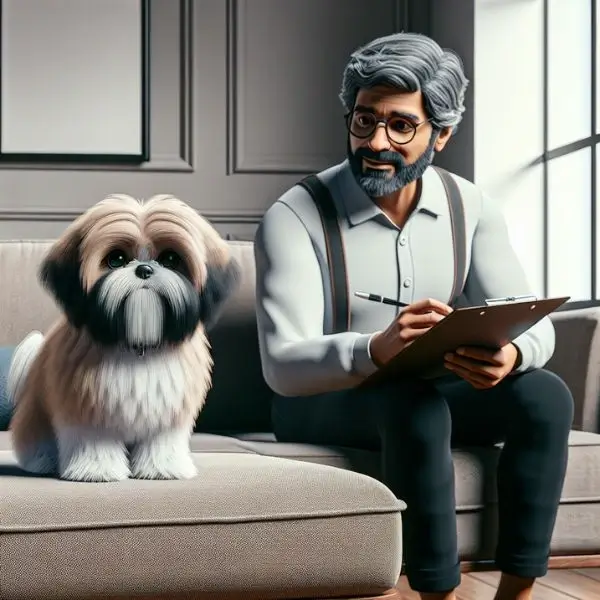
In some cases, managing separation anxiety may require professional intervention. If your Shih Tzu’s anxiety is severe or if you’ve tried various methods without success, it’s time to consult a veterinarian. A veterinarian can rule out any underlying medical issues that might be contributing to your dog’s anxiety and provide guidance on the best course of action. In more severe cases, they may recommend working with a dog behaviorist or trainer who specializes in anxiety. These professionals can offer targeted strategies and techniques tailored to your dog’s specific needs.
Medication may also be necessary in some cases. While not always required, medication can help manage severe anxiety, allowing other behavioral interventions to be more effective. Medications such as selective serotonin reuptake inhibitors (SSRIs) or benzodiazepines may be prescribed, but these should always be used under the guidance of a veterinarian. It’s important to approach medication as a temporary solution, combined with other strategies to help your Shih Tzu overcome their anxiety in the long term.
Importance of Patience and Consistency
Dealing with separation anxiety in Shih Tzus requires a great deal of patience and consistency. It’s important to remember that progress may be slow, but every small step forward is a victory. Building trust with your Shih Tzu takes time, especially if their anxiety is deeply rooted. Stick to the routines and strategies you’ve established, even if you don’t see immediate results. Inconsistency can undermine your efforts and lead to setbacks.
Celebrate small victories along the way. Each time your Shih Tzu shows improvement, no matter how minor, it’s a sign that your efforts are working. Positive reinforcement is key, so reward your dog for calm behavior and gradually increase the time they spend alone. Over time, your Shih Tzu will learn that being alone isn’t something to fear, but rather a normal part of their day.
Shih Tzu Separation Anxiety FAQs
1. Can Shih Tzus overcome separation anxiety?
Yes, with the right techniques and patience, most can overcome or significantly reduce separation anxiety. Consistency and a calm environment are essential for success.
2. How long does it take to see improvement?
The timeline varies. Some dogs may show improvement within a few weeks, while others may take several months. Patience and persistence are key.
3. Should I punish my Shih Tzu for destructive behavior?
No, punishment can worsen anxiety. Instead, focus on positive reinforcement and creating a calm environment. Address the root cause of the anxiety rather than the symptoms.
4. Are there any specific toys that help with anxiety?
Yes, interactive toys that stimulate your dog mentally can help. KONG Classic Dog Toy, which can be stuffed with treats, is particularly effective for keeping your Shih Tzu occupied and mentally stimulated.
5. Is medication always necessary for severe cases?
Not always. Medication is typically considered when other methods have not been successful. Always consult your veterinarian before starting any medication.