

Shih-Tzu Health Overview Introduction
When it comes to caring for a Shih-Tzu, understanding their health is paramount and we are here to help with this Shih Tzu Health overview. These small, affectionate dogs have unique needs that require special attention to ensure they live a long and happy life. From dietary requirements to common genetic issues, knowing how to care for a Shih-Tzu can prevent many health problems and help you identify issues early.
In this comprehensive Shih Tzu health overview guide, we’ll explore the most important aspects of Shih-Tzu health, covering everything from general care to specific medical concerns. Each section will provide a broad overview, with links to more detailed posts for those seeking in-depth knowledge.
General Shih-Tzu Health Overview
Key Characteristics of a Healthy Shih-Tzu
A healthy Shih-Tzu is energetic, with a shiny coat and clear eyes. They should have a good appetite, steady weight, and a friendly disposition. Regular vet check-ups and vaccinations are critical in maintaining their health.

Common Signs of Health Issues to Watch For
Changes in behavior, appetite, or appearance can be early indicators of health problems. Watch for lethargy, difficulty breathing, persistent itching, or changes in stool. Early detection is key to successful treatment.
Explore more on general Shih-Tzu health
Shih Tzu Nutrition and Diet Essentials Overview
The Foundation of a Balanced Shih-Tzu Diet
Shih-Tzus require a diet rich in high-quality proteins, healthy fats, and essential vitamins. Avoid fillers and artificial ingredients. Fresh, whole foods or high-grade commercial dog food can provide balanced nutrition.
Special Dietary Needs for Different Life Stages
Puppies need more calories and nutrients for growth, while seniors require fewer calories and more joint support. Tailoring their diet to their life stage is crucial for maintaining optimal health.
Common Dietary Pitfalls to Avoid
Overfeeding, low-quality food, and too many treats can lead to obesity and other health issues. Portion control and a balanced diet are vital for preventing diet-related problems.

Read the detailed post on Shih-Tzu nutrition
Exercise and Activity Levels
Importance of Regular Exercise for Shih-Tzus
While Shih-Tzus are small, they still need regular exercise to maintain a healthy weight and avoid boredom. Daily walks and playtime are essential for their physical and mental well-being.
Safe and Effective Exercise Routines
Gentle walks, indoor play, and interactive toys are great for keeping your Shih-Tzu active. Avoid overexertion, especially in hot weather, due to their brachycephalic nature.
Balancing Indoor and Outdoor Activities
Shih-Tzus can enjoy a mix of indoor and outdoor activities. Ensure outdoor time is in a safe, enclosed area, and monitor their time in extreme weather conditions.
Learn more about Shih-Tzu exercise needs
No products found.
Shih Tzu Grooming and Coat Care Overview
Essential Grooming Practices for Shih-Tzus
Regular grooming is a must for Shih-Tzus, as their long, luxurious coats can easily mat. Brushing several times a week, regular baths, and professional grooming every few months are recommended.
Preventing Matting and Skin Irritations
Use a detangling spray and a slicker brush to prevent mats. Ensure their skin stays healthy by using gentle, dog-specific shampoos and keeping their coat clean and dry.
How to Maintain a Shiny, Healthy Coat
A healthy diet rich in omega-3 and omega-6 fatty acids, combined with regular grooming, will help keep your Shih-Tzu’s coat shiny and soft.
Discover more about Shih-Tzu grooming
Shih Tzu Dental Health
Why Dental Care is Crucial for Shih-Tzus
Dental health is often overlooked, but it’s vital for preventing periodontal disease, which is common in small breeds. Poor dental hygiene can lead to pain, infection, and even organ damage.
How to Brush Your Shih-Tzu’s Teeth Effectively
Use a soft-bristled toothbrush and dog-safe toothpaste. Brushing should be done at least a few times a week to maintain good oral health.
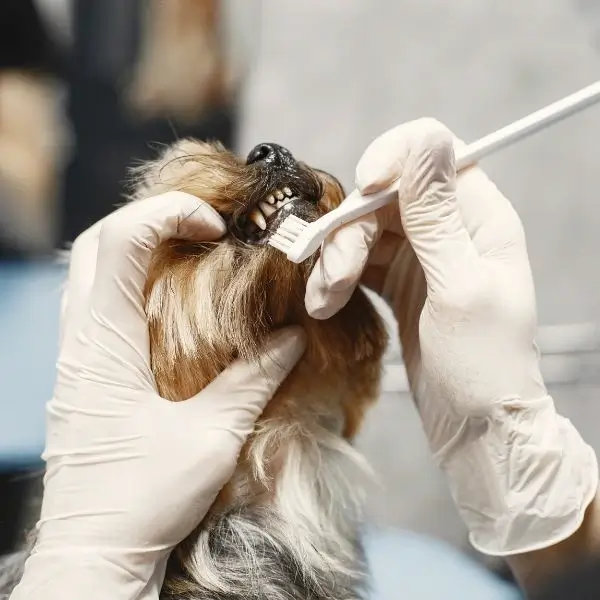
Recognizing and Preventing Common Dental Issues
Bad breath, red gums, and difficulty eating can indicate dental problems. Regular dental check-ups and professional cleanings are recommended.
Read more on Shih-Tzu dental health
Shih Tzu Eye Care
Understanding Common Shih-Tzu Eye Problems
Shih-Tzus are prone to eye issues like dry eye, cataracts, and corneal ulcers due to their prominent eyes. Regular eye care is essential to prevent these conditions.
Tips for Maintaining Clear, Healthy Eyes
Gently clean around the eyes daily to prevent tear staining and irritation. Use vet-recommended eye drops if necessary, and monitor for any signs of discomfort.
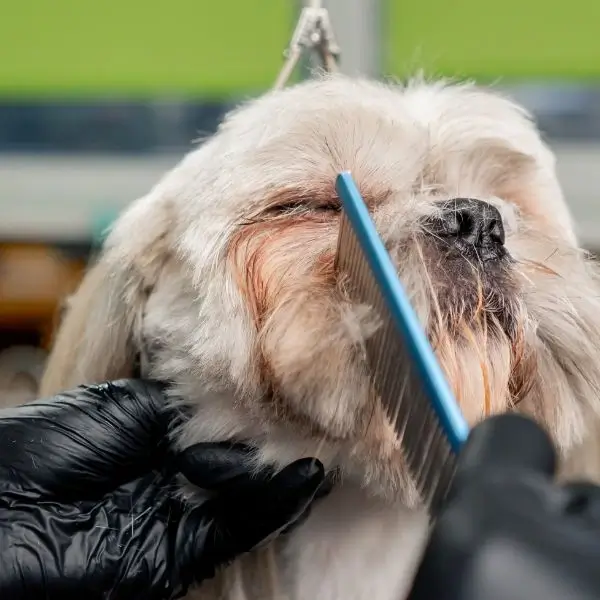
Early Signs of Eye Issues to Watch For
Redness, excessive tearing, cloudiness, or squinting can be early signs of eye problems. Seek veterinary care immediately if these symptoms appear.
Learn more about Shih-Tzu eye care
Shih Tzu Ear Health
Importance of Regular Ear Checks
Shih-Tzus’ floppy ears can trap moisture, making them prone to infections. Regular ear checks and cleaning are crucial to prevent ear issues.
Safe and Effective Ear Cleaning Methods
Use a vet-recommended ear cleaner and cotton balls to clean your Shih-Tzu’s ears weekly. Avoid using Q-tips, which can damage the ear canal.
Common Ear Infections and How to Prevent Them
Keep your Shih-Tzu’s ears dry and clean. If you notice a foul odor, redness, or your dog shaking its head frequently, it could be a sign of infection.

Discover more about Shih-Tzu ear health
Respiratory Health
Understanding Brachycephalic Airway Syndrome in Shih-Tzus
Shih-Tzus, like other flat-faced breeds, are prone to brachycephalic airway syndrome, which can cause breathing difficulties. Understanding this condition is crucial for their well-being. Let’s find out more in the Shih Tzu Health overview below on this.
Tips for Managing Respiratory Issues
Keep your Shih-Tzu cool and avoid strenuous activity, especially in hot weather. Ensure they maintain a healthy weight to reduce respiratory strain.
Signs of Breathing Difficulties and How to Address Them
Snorting, wheezing, and excessive panting are signs of respiratory distress. Immediate veterinary attention is necessary if these symptoms arise.
Read more about Shih-Tzu respiratory care

Shih Tzu Health Joint and Bone Overview
Common Joint Issues in Shih-Tzus
Shih-Tzus are prone to joint issues such as hip dysplasia and patellar luxation. These conditions can cause pain and mobility problems if not addressed.
Preventative Measures for Maintaining Joint Health
Maintaining a healthy weight, providing joint supplements, and ensuring regular, low-impact exercise can help keep your Shih-Tzu’s joints healthy.
No products found.
Effective Treatments and Supplements for Joint Care
Glucosamine and chondroitin supplements, along with anti-inflammatory medications, can help manage joint pain. In severe cases, surgery may be required.
Learn more about Shih-Tzu joint health
Digestive Health for your Tzu
Recognizing Signs of Digestive Problems
Vomiting, diarrhea, and loss of appetite are signs of digestive distress. These symptoms can indicate anything from food intolerance to more serious conditions.
Best Practices for a Healthy Digestive System
Feeding a consistent, high-quality diet, avoiding table scraps, and ensuring access to fresh water are key to maintaining good digestive health.
Managing Sensitive Stomachs and Food Intolerances
Some Shih-Tzus have sensitive stomachs or food allergies. Identifying and eliminating trigger foods can help manage these issues.
Explore more on Shih-Tzu digestive health
Allergies and Skin Conditions
Common Allergens Affecting Shih-Tzus
Shih-Tzus can be allergic to various environmental factors, including pollen, dust mites, and certain foods. Identifying the allergen is key to effective management.
Symptoms and Treatments for Skin Allergies
Itching, redness, and hair loss are common signs of skin allergies. Treatments may include antihistamines, hypoallergenic diets, and medicated shampoos.
Preventative Measures for Allergy Management
Regular grooming, a clean environment, and a well-balanced diet can help minimize the risk of allergies. Monitoring for early signs is crucial for timely intervention.
Read more about Shih-Tzu allergies and skin care
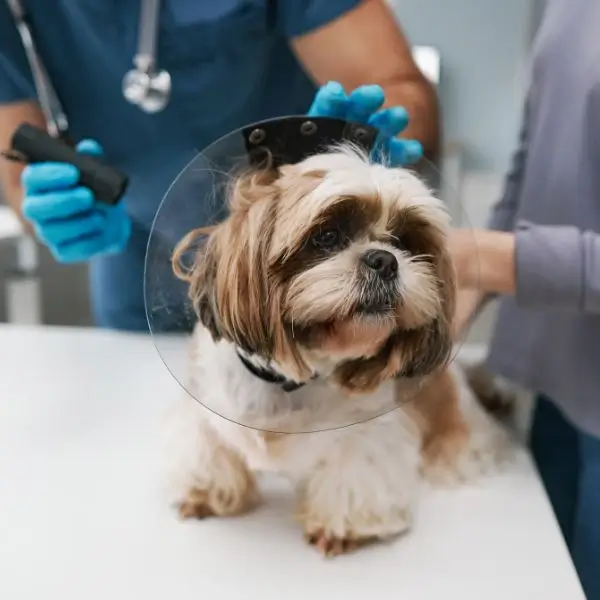
Vaccinations and Preventative Care
Essential Vaccines for Shih-Tzus
Core vaccines, including rabies, distemper, and parvovirus, are vital for protecting your Shih-Tzu from serious diseases. Discuss a vaccination schedule with your vet.
Importance of Regular Health Check-ups
Annual vet visits are essential for catching potential health issues early. These check-ups should include physical exams, dental evaluations, and blood tests.
Flea, Tick, and Heartworm Prevention Strategies
Regular use of preventative treatments for fleas, ticks, and heartworm is necessary to protect your Shih-Tzu from parasites and the diseases they carry.
Discover more about Shih-Tzu vaccinations and preventive care
Mental Health and Well-being
Recognizing Stress and Anxiety in Shih-Tzus
Shih-Tzus can suffer from stress and anxiety, which may manifest as excessive barking, destructive behavior, or withdrawal. Recognizing these signs is the first step to helping them.
Activities to Keep Your Shih-Tzu Mentally Stimulated
Puzzle toys, interactive games, and training sessions are great ways to keep your Shih-Tzu’s mind engaged and prevent boredom.
No products found.
Creating a Stress-Free Environment for Your Pet
A calm, stable environment with a consistent routine can help reduce anxiety in Shih-Tzus. Ensure they have a quiet space to retreat to when needed.
Learn more about Shih-Tzu mental health
Senior Shih-Tzu Care
Understanding the Aging Process in Shih-Tzus
As Shih-Tzus age, they may experience changes in mobility, vision, and hearing. Understanding these changes can help you provide better care for your senior dog.
Adjusting Diet and Exercise Routines for Seniors
Senior Shih-Tzus may require a diet lower in calories but higher in fiber and joint-supporting nutrients. Gentle exercise is still important but should be adjusted to their capabilities.
Common Health Concerns in Older Shih-Tzus
Arthritis, dental disease, and cognitive decline are common in senior Shih-Tzus. Regular vet visits and appropriate care can help manage these issues.
Explore more on senior Shih-Tzu care
Shih Tzu Breeding and Genetic Health Considerations
Common Genetic Disorders in Shih-Tzus
Shih-Tzus can inherit genetic disorders such as hip dysplasia, liver shunt, and certain eye conditions. Responsible breeding practices can help reduce the incidence of these issues.
Importance of Responsible Breeding Practices
Breeding should focus on health and temperament rather than appearance alone. Ensure that both parents are health-screened before breeding.
Health Screenings for Breeding Shih-Tzus
Genetic testing and health screenings for common conditions should be conducted before breeding to ensure the health of the puppies.
Read more about Shih-Tzu breeding and genetics
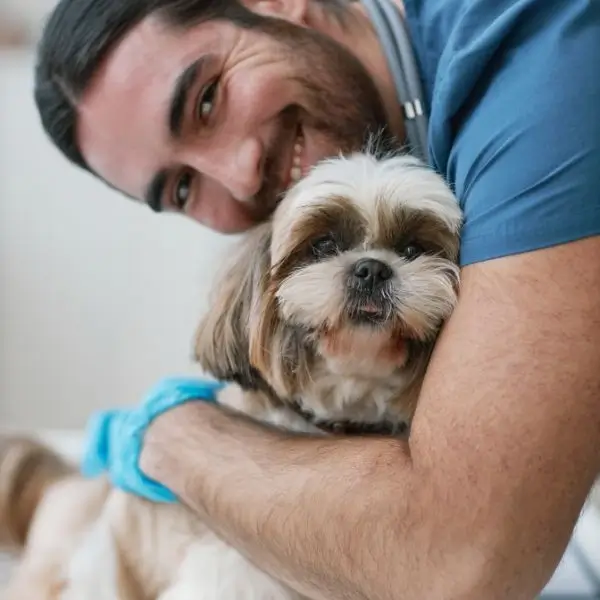
Emergency Care and First Aid
Recognizing Signs of a Medical Emergency
Difficulty breathing, sudden collapse, or severe vomiting are signs of a medical emergency. Knowing when to seek immediate veterinary care can save your Shih-Tzu’s life.
Basic First Aid for Common Shih-Tzu Injuries
Having a first aid kit and knowing how to use it is essential. Basic first aid can stabilize your dog until you reach the vet.
When to Seek Immediate Veterinary Care
If your Shih-Tzu shows signs of severe distress or injury, don’t hesitate to seek emergency veterinary care. Quick action can be critical in these situations.
Learn more about Shih-Tzu emergency care
Holistic and Alternative Health Options
Overview of Holistic Care Practices for Shih-Tzus
Holistic health practices, such as acupuncture, herbal medicine, and homeopathy, can complement traditional veterinary care and provide additional support for your Shih-Tzu’s well-being.
No products found.
Popular Alternative Treatments and Their Benefits
Acupuncture for pain management, herbal remedies for anxiety, and chiropractic care for mobility issues are some alternative treatments that may benefit Shih-Tzus.
Risks and Considerations of Alternative Therapies
Not all alternative therapies are suitable for every dog. Always consult with your vet before starting any new treatment to ensure it’s safe for your Shih-Tzu.
Discover more about holistic health for Shih-Tzus
Debunking Shih-Tzu Health Myths
Common Myths About Shih-Tzu Health
There are many myths surrounding Shih-Tzu health, such as the idea that they don’t need much exercise or that their small size means they’re inherently unhealthy.
Facts Versus Fiction: What Every Owner Should Know
Understanding the truth behind these myths can help you provide better care for your Shih-Tzu. Don’t let misinformation guide your decisions.
How to Ensure You’re Following the Best Health Practices
Stay informed through reputable sources, consult your vet regularly, and always prioritize your Shih-Tzu’s health and well-being.
Read more about debunking Shih-Tzu health myths

Choosing the Right Veterinarian
How to Find a Vet Experienced with Shih-Tzus
Look for a veterinarian who has experience with brachycephalic breeds and understands the unique health challenges of Shih-Tzus.
Building a Strong Vet-Owner Relationship
Open communication and trust are key to a successful vet-owner relationship. Don’t hesitate to ask questions and discuss any concerns you have about your Shih-Tzu’s health.
Questions to Ask Your Vet About Your Shih-Tzu’s Health
Prepare a list of questions before each visit to ensure you cover all aspects of your Shih-Tzu’s health, from diet and exercise to specific medical concerns.
Learn more about selecting the right veterinarian
Conclusion
Caring for a Shih-Tzu requires a comprehensive understanding of their unique health needs. We hope this Shih Tzu health overview helps you by staying informed and proactive. Plus, you can ensure that your Shih-Tzu lives a long, healthy, and happy life. Explore the detailed posts linked throughout this guide for more in-depth information on each topic, and always prioritize your Shih-Tzu’s well-being above all else.