

How Do You Potty Train a Shih Tzu Puppy: Introduction
How Do You Potty Train a Shih Tzu Puppy is one of the most common questions new owners ask. Potty training a Shih Tzu puppy is an essential step in raising a well-mannered and happy companion. Early training is critical because it sets the foundation for your puppy’s behavior and habits as they grow.
Given the Shih Tzu’s distinctive personality traits, a tailored approach to potty training is necessary to ensure success. This breed, known for its affectionate nature and occasional stubborn streak, requires patience and consistency. Understanding their unique needs will make the potty training process smoother for both you and your puppy.
How Do You Potty Train a Shih Tzu Puppy: Essentials
Gathering Essential Supplies
Before you begin potty training, it’s important to have the right supplies on hand. Essential items include a comfortable crate, puppy pads, enzymatic cleaners, and plenty of treats for rewarding good behavior. A leash and collar are also crucial for supervised outdoor potty breaks. Having everything ready from the start ensures that you’re prepared for each step of the training process.
No products found.
Suggested Product: MidWest Homes for Pets Dog Crate – A durable, well-ventilated crate that’s perfect for crate training your Shih Tzu.
Creating a Designated Potty Area
Designating a specific potty area is a key part of how do you potty train a Shih Tzu puppy. Whether indoors with puppy pads or outdoors in the yard, consistency in location helps your Shih Tzu learn where it is acceptable to relieve themselves. This area should be easily accessible and free from distractions, allowing your puppy to focus on the task at hand.
Suggested Product: AmazonBasics Dog and Puppy Pee Pads – These absorbent pads are ideal for indoor potty training.
Setting Up a Routine from Day One
Establishing a routine is one of the most effective ways to answer the question, how do you potty train a Shih Tzu puppy. Puppies thrive on consistency, and having a set schedule for feeding, playtime, and potty breaks will help your puppy learn faster. Start this routine from the first day your puppy arrives home to set clear expectations.

Understanding Shih Tzu Potty Training Behavior
Common Traits of Shih Tzus that Affect Potty Training
Shih Tzus are known for their charming personalities, but they can also be a bit independent, which can make potty training challenging. Understanding these traits, such as their occasional stubbornness and strong attachment to their owners, is essential. These dogs respond best to positive reinforcement and a calm, patient approach.
Recognizing Signs Your Puppy Needs to Go
Learning to recognize when your Shih Tzu puppy needs to go is crucial for successful potty training. Common signs include sniffing the ground, circling, or becoming restless. By identifying these behaviors early, you can promptly take your puppy to their designated potty area, reducing the likelihood of accidents.
Crate Training: The Foundation for How Do You Potty Train a Shih Tzu Puppy
How Crate Training Works
Crate training is a highly effective method for how do you potty train a Shih Tzu puppy. Dogs naturally avoid soiling their sleeping area, making the crate a useful tool for teaching bladder control. The key is to ensure the crate is just large enough for your puppy to stand up, turn around, and lie down comfortably.

Choosing the Right Crate for Your Shih Tzu
Selecting the right crate is essential. It should be durable, well-ventilated, and appropriately sized for your Shih Tzu puppy. Many crates come with adjustable dividers, allowing the crate to grow with your puppy. This feature ensures the crate remains a cozy space rather than too large, which could lead to accidents.
No products found.
Introducing Your Puppy to the Crate
Introducing your Shih Tzu to the crate should be done gradually. Start by allowing them to explore the crate on their own, using treats to encourage positive associations. Gradually increase the time they spend in the crate, always rewarding calm behavior. The crate should be a place of comfort, not punishment.
Establishing a How Do You Potty Train a Shih Tzu Puppy Schedule
The Importance of Consistency
Consistency is the cornerstone of effective potty training. By taking your puppy out at the same times each day—such as after meals, playtime, and naps—you reinforce the routine. This predictability helps your Shih Tzu understand when and where they are supposed to relieve themselves.
Ideal Times for Potty Breaks
Timing is crucial when it comes to potty breaks. Puppies have small bladders and need frequent opportunities to go outside. Ideally, you should take your Shih Tzu out first thing in the morning, after meals, after play sessions, and before bedtime. Regular potty breaks prevent accidents and help establish a routine.
How Long Should Potty Training Take?
Potty training a Shih Tzu typically takes several months, with most puppies fully trained by the time they are six months old. However, this can vary depending on the individual dog and the consistency of the training. Patience is key, as some puppies may take longer to grasp the concept.

Positive Reinforcement Techniques
Rewarding Success: The Power of Praise and Treats
Positive reinforcement is the most effective way to potty train your Shih Tzu. Whenever your puppy successfully uses the designated potty area, immediately reward them with treats and praise. This reinforces the behavior and encourages them to repeat it. The timing of the reward is critical—make sure it’s immediate so your puppy associates the reward with the action.
Suggested Product: Zuke’s Mini Naturals Dog Treats – These small, tasty treats are perfect for rewarding your puppy during potty training.
Using Verbal Cues to Encourage Desired Behavior
Verbal cues can be very helpful in potty training. Phrases like “go potty” or “do your business” used consistently will help your puppy understand what is expected of them. Pair these cues with rewards to strengthen the association. Over time, your Shih Tzu will learn to respond to the verbal command, making potty breaks quicker and easier.
Avoiding Punishment: Why Patience is Key
Punishment is not effective in potty training and can actually hinder your progress. Shih Tzus are sensitive dogs, and harsh corrections can lead to anxiety and fear. Instead, focus on positive reinforcement and be patient. If an accident happens, simply clean it up and continue with your training routine.
Handling Accidents with Grace
Why Accidents Happen and How to Respond
Accidents are a natural part of the potty training process, especially in the early stages. Puppies are still learning to control their bladder and may have slips. When an accident occurs, it’s important to remain calm. Clean the area thoroughly and avoid scolding your puppy, as this can create fear around potty training.
Cleaning Up: Preventing Lingering Odors
Proper cleanup is essential to prevent your Shih Tzu from returning to the same spot. Use an enzymatic cleaner to eliminate any lingering odors, as these smells can attract your puppy back to the same area. Avoid using ammonia-based cleaners, as they can smell like urine to a dog and confuse them further.
Suggested Product: Rocco & Roxie Stain and Odor Eliminator – This enzymatic cleaner effectively removes stains and odors from accidents.
No products found.
Redirecting Your Puppy to the Proper Place
If you catch your puppy in the act, gently interrupt and immediately take them to their designated potty area. Praise and reward them if they finish there. This redirection helps reinforce the correct behavior without causing your puppy to fear or dread potty time.
The Role of Diet in How Do You Potty Train a Shih Tzu Puppy
How Feeding Schedules Affect Potty Breaks
Feeding schedules play a significant role in potty training. Feeding your Shih Tzu at the same times each day helps regulate their digestive system, making potty breaks more predictable. It’s recommended to feed your puppy three times a day and take them outside shortly after each meal.
Choosing the Right Food for Digestive Health
A high-quality diet is important for your Shih Tzu’s overall health and can aid in potty training. Choose a food that is easily digestible and free from fillers that could cause digestive upset. Consistent, healthy digestion makes it easier to predict when your puppy will need to go outside.
This puppy food supports healthy digestion, which is crucial for potty training.
No products found.
The Importance of Water Intake Management
Monitoring your puppy’s water intake is also important. Ensure they have access to fresh water throughout the day, but consider limiting water intake in the hour or two before bedtime to reduce the likelihood of overnight accidents. Always ensure your puppy stays hydrated, especially after exercise and during warm weather.
Nighttime How Do You Potty Train a Shih Tzu Puppy
Managing Overnight Potty Needs
Nighttime potty training can be challenging but is an important part of the process. Puppies under four months old may need to go out at least once during the night. Set an alarm for a few hours after bedtime to take your puppy outside. As they grow, they will be able to hold it for longer periods.
Setting Up a Comfortable Sleeping Area
Your Shih Tzu’s sleeping area should be comfortable and close to your bedroom, so you can easily hear if they need to go out. A cozy crate or bed helps them feel secure and reduces anxiety, making it easier for them to sleep through the night without needing frequent potty breaks.
A comfortable bed that supports your puppy’s sleep and nighttime potty training efforts.
No products found.
What to Do if Your Puppy Has an Accident at Night
If your puppy has an accident at night, clean it up thoroughly and without fuss. Try to identify if there’s a pattern, such as too much water before bed, and adjust accordingly. Remember, patience is key—nighttime training may take longer, but consistency will eventually lead to success.
Potty Training in Different Environments
Transitioning from Indoors to Outdoors
Many Shih Tzu owners start potty training indoors using puppy pads, especially in apartments or during cold weather. As your puppy becomes more reliable, gradually transition to outdoor potty breaks. Move the puppy pad closer to the door and eventually outside, helping your puppy associate the outdoors with potty time.

Handling Potty Training in Apartments
Apartment living presents unique challenges for potty training, particularly if you don’t have immediate access to outdoor space. In these cases, consistency is even more important. Use puppy pads initially, and take your puppy outside as often as possible. Consider using a balcony or patio as a stepping stone to outdoor training.
Travel Tips: Keeping Potty Training on Track
Travel can disrupt your potty training routine, so it’s important to plan ahead. Bring familiar items like a crate or puppy pads to maintain some consistency. Take frequent breaks during travel to give your Shih Tzu a chance to relieve themselves, and be patient as they adjust to new environments.
No products found.
Dealing with Shih Tzu Potty Training Setbacks
Identifying Common Challenges
Setbacks are common in potty training, especially as your puppy begins to explore more of the world around them. Changes in routine, travel, or even stress can lead to accidents. Identifying the cause of setbacks is the first step in addressing them effectively.
Strategies to Overcome Regression
If your Shih Tzu starts having accidents after a period of success, return to the basics. Reinforce the potty training routine, increase supervision, and ensure you are rewarding good behavior consistently. Regression is often temporary and can be overcome with patience and persistence.
When to Seek Professional Help
If you’re struggling with potty training despite your best efforts, it may be time to seek professional help. A dog trainer or behaviorist can offer personalized advice and strategies to address specific challenges. Professional guidance can make a significant difference, especially for first-time dog owners.
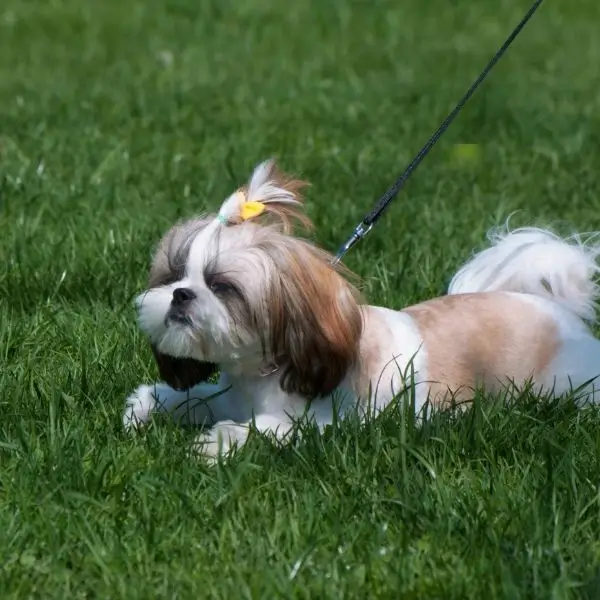
Socializing Your Shih Tzu During Potty Training
Why Socialization is Important for Behavior
Socialization is critical for your Shih Tzu’s overall behavior and well-being. Well-socialized dogs are less anxious and more adaptable, which can positively impact their potty training progress. Introducing your puppy to new people, animals, and environments helps them develop confidence and reduces the likelihood of stress-related accidents.
Balancing Potty Training with Social Experiences
While potty training is a priority, it’s important to balance it with socialization. Ensure your puppy experiences different settings, such as parks or playdates, without losing focus on potty training. Take advantage of these outings to reinforce potty training in new environments.
Preventing Distractions During Potty Time
During potty training, it’s crucial to minimize distractions so your Shih Tzu can focus on the task at hand. Choose quiet areas for potty breaks and keep playtime separate. If your puppy gets distracted, gently redirect them until they complete their business, then reward them immediately.
Understanding Your Shih Tzu’s Signals
Learning the Subtle Signs of Needing to Go
Every puppy has unique signals that indicate they need to relieve themselves. Learning these cues—whether it’s sniffing, circling, or sudden restlessness—can prevent accidents. Pay close attention to your Shih Tzu’s behavior and be ready to act quickly when you notice these signs.
Training Your Puppy to Signal You
You can also train your Shih Tzu to signal when they need to go outside. Some owners use bells hung by the door, teaching the puppy to ring them when they need a potty break. This method requires consistency and patience but can be very effective in preventing accidents.
A simple and effective tool to teach your Shih Tzu to signal when they need to go out.
No products found.
The Importance of Supervision
Supervision is key during the potty training process. Keep a close eye on your Shih Tzu, especially during the first few months. The more attentive you are, the faster you’ll catch signs they need to go out, leading to fewer accidents and quicker training success.
Maintaining Long-Term Shih Tzu Potty Habits
Reinforcing Good Behavior as Your Puppy Grows
Even after your Shih Tzu is potty trained, it’s important to continue reinforcing good habits. Regular potty breaks, consistent rewards for appropriate behavior, and supervision during new situations all help maintain their training as they grow into adulthood.
Transitioning from Puppy Pads to Full Outdoor Training
If you started with puppy pads, transitioning to full outdoor training is the next step. Gradually move the pads closer to the door and eventually outside. Over time, your Shih Tzu will understand that the outdoors is the preferred place to go.
Celebrating Milestones in Potty Training
Celebrating milestones in potty training helps keep the process positive and encouraging. Whether it’s the first time your puppy goes a whole day without an accident or successfully signals to go outside, acknowledging these achievements reinforces good behavior and strengthens the bond between you and your Shih Tzu.

Shih Tzu Potty Training Conclusion
The Rewards of a Well-Trained Shih Tzu
Successfully potty training your Shih Tzu brings immense rewards. Not only will you enjoy a clean home, but you’ll also have a well-mannered companion who understands your expectations. The time and effort invested in training create a strong bond between you and your dog, leading to a happier, more harmonious household.
Encouraging Patience and Persistence
Patience and persistence are the keys to successful potty training. While the process may have its challenges, staying calm and consistent will yield positive results. Remember that every puppy learns at their own pace, and setbacks are simply part of the journey.
Final Thoughts on Building a Strong Bond Through Training
Potty training is more than just teaching your Shih Tzu where to go—it’s an opportunity to build trust and strengthen your relationship. Through consistent, positive training, you not only shape your puppy’s behavior but also lay the foundation for a lifetime of companionship and mutual respect.