
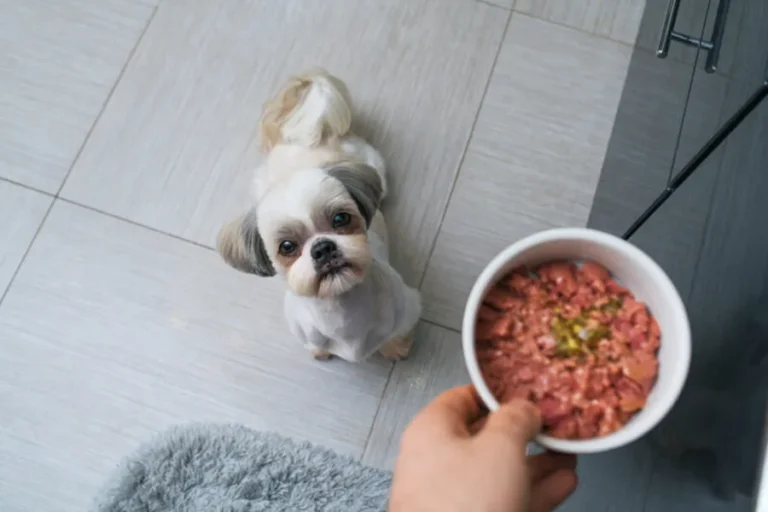
The best digestive enzymes for a Shih Tzu
Find out how you can improve the health of your Shih Tzu by supplementing them with digestive enzymes.
Digestive enzymes are essential for the physical well-being of dogs. Unlike humans, dogs do not have enzymes in their saliva. This absence was compensated by the digestive enzymes contained in raw meat, their diet of yesteryear.
Unfortunately, cooked and processed foods are depleted of digestive enzymes. It is for this reason that it is therefore advisable to give digestive enzyme supplements to your Shih Tzu.
About Digestive Enzymes for your Shih Tzu
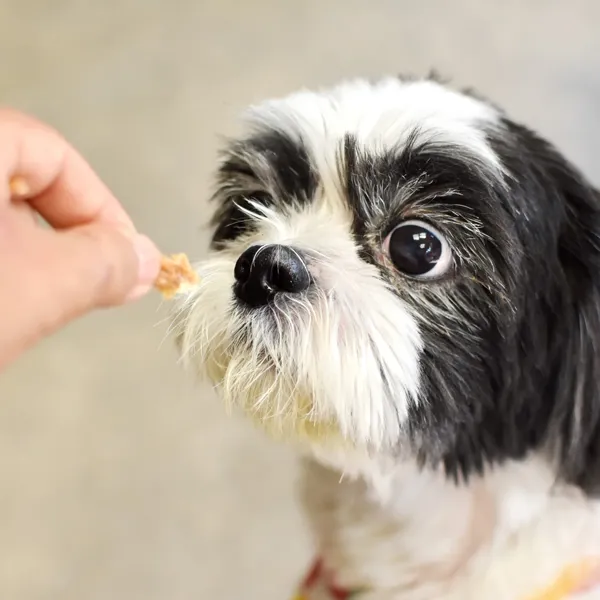
Numerous studies have shown the importance of digestive enzymes for the health of dogs like a Shih Tzu. Vets are now increasingly suggesting that digestive enzyme supplements should be given to them to maintain and support their health.
This page has been put together to help you better understand what digestive enzymes are, and why digestive enzymes are important.
Enzymes are small all-rounders: They not only regulate the dog’s digestion, but also take on many functions in the organism. In order for a healthy metabolism to take place, the enzyme activity must be given. You can find out here which enzymes your four-legged friend needs and which are active in the body.
What are digestive enzymes
Well, first of all, enzymes are unique proteins in the cells of the body. They are responsible for completing tasks and catalyzing the millions of chemical reactions that happen every second of your life.. Enzymes are small biological building blocks that can accelerate various chemical reactions. Most enzymes are protein molecules . They play an essential role in various metabolic processes: In addition to digestion, enzymes are also responsible for coding genetic information.
Digestive enzymes are “catalysts”. They initiate or accelerate chemical reactions in the body, from digestion to tissue repair, from hormonal function to energy production. Cells release digestive enzymes into the intestine to help you digest food. Digestive enzymes abound in the stomach, small intestine, and pancreas. They break down the food your pet eats into smaller nutrients , so the body can then absorb them and transport them to where they are needed to make organs and tissues work properly.
Digestive Enzymes and Dogs
-They are found in all cells of the body and are involved in various functions, including digestion.
-These enzymes are needed to digest the food we eat. For this purpose, two types of digestive enzymes can be used to perform this task – digestive enzymes which come from the food we eat (food digestive enzymes) and digestive enzymes which are produced by various digestive organs (digestive digestive enzymes).
However, digestive enzymes can be inactivated or destroyed when exposed to high temperature. Specifically, when food is cooked or processed at temperatures of 118 ° F or higher, digestive enzymes in the food are destroyed. Without these digestive enzymes in digested food, the body has to work harder to produce more digestive enzymes. Over time, these organs, such as the liver and pancreas, can become overworked and cause health problems.
When digestive enzymes are insufficient, it means that the body has trouble absorbing the nutrients and the good in food. This happens even if your pet has a super healthy diet.
If the digestive enzymes are not working at their ideal levels, then nutritional deficiencies are unavoidable. They can trigger a more serious problem, such as nutrients leaking from the small intestine into the bloodstream, damaging the body because the immune system attacks the foreign nutrients in the blood believing it is being invaded.
Think about this, low digestive enzymes = weak digestion = toxin development in the gut = irritable bowel = congestive liver = biliary problems = increasing demand for pancreatic enzymes = inflammation = disease = chronic disease.
Functions of enzymes
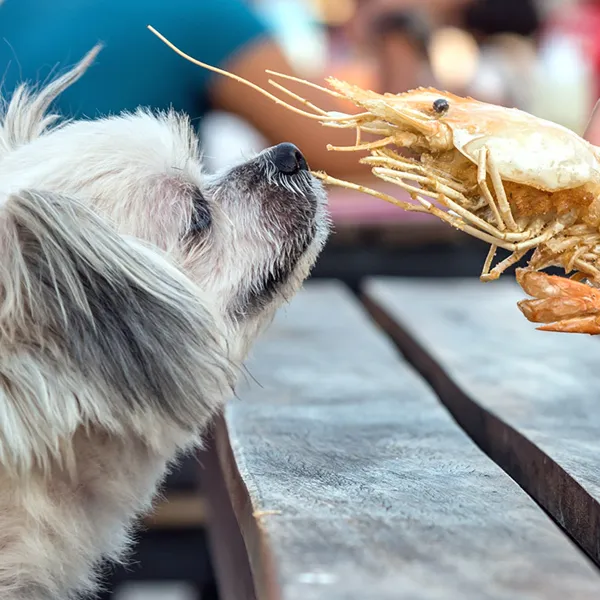
Food in its natural state contains active digestive enzymes. It follows that if our dog or cat consumes raw food, the digestive enzymes in the food can greatly aid in the digestion process.
When food is eaten raw, chewing breaks the cell membranes of the food and releases the digestive enzymes contained in the cells of the food. In addition, when the dog eats, the pancreas also secretes appropriate amounts of digestive enzymes for digestion.
The less digestive enzymes there are in food, the more digestive enzymes the pancreas must produce to compensate for this lack.
In the digestion of dogs, enzymes have the task of breaking down individual nutrients and thus making them available to the organism. Your Shih Tzu can produce many enzymes on its own.
The body’s own enzymes in digestion
- Pepsin: Produced in the stomach, it breaks down proteins.
- Alpha-amylases: contained in the pancreatic juice, ensure the breakdown of starch.
- Lipases: Also in the pancreas, they break down fats into mono- and diglycerides.
- Peptidases / proteases: collective term that includes various enzymes, including chymotrypsins and trypsin. These pancreatic enzymes break down proteins into smaller components.
What are the other benefits of digestive enzymes?
In addition to aiding the digestion of food and the absorption of nutrients, digestive enzymes for dogs and cats are also essential for:
- Strengthen the immune system;
- Stop coprophagia (the habit of eating in the stool);
- Reduce the risk of degenerative diseases, such as osteoarthritis;
- Increase the production of T lymphocytes (cells that fight cancer);
- Promote weight loss.
What will happen when food digestive enzymes are depleted?
When there is not enough food digestive enzymes, the body will have the hard job of producing all the digestive digestive enzymes it needs. The result ? An overloaded digestive system which can eventually lead to poor digestion of food and malabsorption of nutrients.
What about the consequences of poor food digestion? Undigested proteins, fats and carbohydrates promote the growth of unwanted bacteria which over time upsets the delicate balance of gut microbes, which results in:
- Bloating
- Diarrhea
- Gas
- Bad breath
- Body odor
- Lethargy and gloom
Impact of too few digestive enzymes
Through poor digestion and malabsorption of nutrients, a number of health problems can develop. Here are some common examples:
- Weakened immune system
- Pancreatitis
- Allergies
- Arthritis
- Skin problems
- Cancer
- Premature aging
Enzymes – Consequences of the absence in wet kibbles / boxes
Are enzymes important for the health of our dogs, cats and ferrets or also for us humans? Yes is without the slightest hesitation! In fact, they are so important that it is no exaggeration to say that a life without enzymes is simply impossible.
- Metabolic enzymes. They are responsible for the repair, formation and functioning of every cell in every tissue of our body.
- Digestive enzymes like proteases, lipases or amylases which are involved in breaking down the proteins, carbohydrates and fats that we ingest.
Who needs digestive enzymes?
Even healthy individuals can now benefit from a supplement of digestive enzymes to optimize digestion and the elimination of toxins. Thanks to better digestion, your Shih Tzu will have less gas, firmer stools, and fresher breath. He will also have better health, a shiny coat and less skin problems.
Digestive enzymes as a supplement are particularly beneficial for animals that:
- Are fed cooked or processed foods
- Suffer from digestive disorders
- Are under constant stress
- Suffer from allergies
- Older animals (Older animals tend to produce lower amounts of digestive enzymes. Many also suffer from zinc deficiency resulting in poor immunity – digestive enzymes appear to be able to increase zinc levels in the body.)
- Suffer from a weakened immune system due to medications, such as antibiotics
- Suffer from chronic yeast infections
- Suffer from a problem with the thyroid gland, such as hypothyroidism (digestive enzymes increase the absorption of selenium, which is an antioxidant that works in conjunction with vitamin E. Selenium is essential in converting the inactive form of thyroid hormone (T4) in the active form (T3).)
Properties of enzymes
Enzymes work best in temperature ranges that are similar to body temperature. The normal body temperature of our four-legged friends is 38 to almost 40 degrees Celsius. Enzymes lose their activity when exposed to higher temperatures. However, cold is also unfavourable for enzymatic activity.
The activity of enzymes is influenced by many factors. What is used in medicine to manufacture drugs can, however, also occur unintentionally. For example, it is possible that enzymes are prevented from working if pesticides, heavy metals or other foreign substances are involved.
How do I know if the digestive enzymes of my Shih Tzu are working well?
One of the quickest and simplest ways to check your pet’s internal health is to examine its poop. Yes, poop is a crucial international language that gives us clues as to what is going on inside, we just have to pay attention!
Take a look at our guide and rate your pet’s poop on the scale. For example, if the stools you see are usually oily, it may mean that your pet is poorly digesting fats. Alternatively, food may be seen in undigested poop, suggesting general poor digestion due to low enzyme levels.
When you pay attention to this for a few weeks, these signs are the first “red flags” that indicate digestive problems. You have to take action on the matter.
External signs that your pet may be suffering from a more advanced level of poor digestion and intestinal health are: dull coat, hair loss, bad breath, weight loss, gas, and low energy.
Digestive Poop Guide
“Pasty”, “watery”, “diarrheal”, “loose”, “firm”, “normal”, “average” … These are words used to describe dog or cat poop. The problem is that one person’s diarrhoea is loose for another and “normal” for another!
To solve this, our faithful vet Nick came up with a simple solution, the “poop grade.” It’s easy to understand and will transform conversations with veterinarians and nutritionists to allow them to track the health and diet of the canines in your life.
It is a scale from 0 to 10, where ‘zero’ means that there is no structure at all, or that it is like a soup. At the other end of the scale, we have the ultimate specimen of faecal matter: firm, easy to pick up and healthy, a cigar or a torpedo! In the middle, we have a consistency of a creme Brule at 5/10 and a graduation as the structure increases, from 1 to 9. Here are some examples:
Thompson’s rating of canine faeces
0 – Water
3 – Watery, but sticks together on the ground without spilling everywhere. It has a consistency like the squeaky batter of an uncooked cookie.
5 – Creme brulee, neither liquid nor solid. You can pick it up, but there is usually a mess left on the floor.
7 – Shaped but smooth. Think of a very soft fluffy cake. You have a hard time picking it up, but maybe you will manage to do it.
10 – Perfect Cigar or Torpedo. It is easy to pick up with two fingers. It is the ideal poop for your pet.
It’s that easy. You can add helpful details like colour, odour, and uniformity (lumpiness) to provide additional information. If you have to describe your pet’s poop to a professional, it’s easier if you keep it simple and try to find food analogies, for example, “like soup” to describe the texture of the poop.
Use Thomson’s Canine Rating to help monitor and therefore improve your dog or cat’s gut health . Tell your friends or canine professionals about this. Aim for the cigar poop style! For more information please check out our article about Types of Shih Tzu Poop and What They Mean.
What determines the proper functioning of digestive enzymes for a Shih Tzu?
Illness and illness impact enzyme levels and their functionality, but intestinal inflammation and low stomach acid levels due to stress (nerves or fear) can have an immediate significant effect and reduce their effectiveness.
But, mainly, its functionality is determined by the diet. Diets based on overcooked and processed foods , pesticides, herbicides, and other environmental toxins slowly destroy their effectiveness. Some of the most common foods that have a negative effect on digestive enzymes are grains, sugars, and legumes.
Enzymes for your Shih Tzu are found in many plants and raw offal
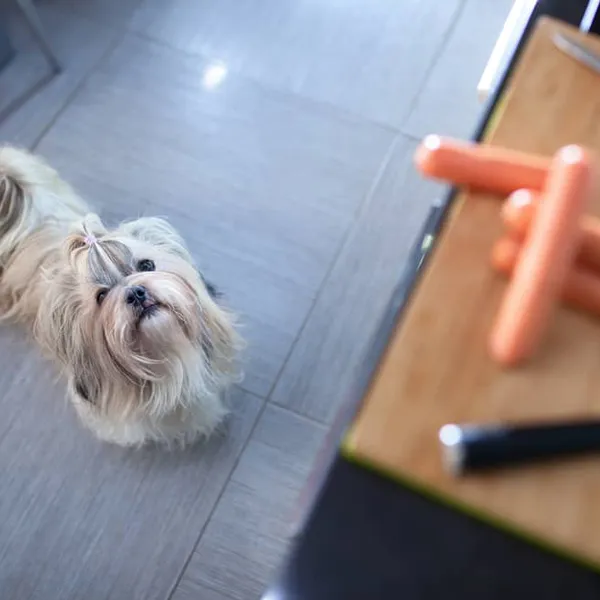
One of the most effective and natural ways to restore and maintain ideal digestive enzymes and intestinal health is to feed your pet (and you too!) A raw diet. Fruits and vegetables can be converted into nutrients for easy and smooth absorption by the body.
Because of their properties, enzymes are mainly found in raw, untreated foods. Important sources of enzymes are therefore fruits, berries and mushrooms . They contain important enzymes and can be stored in such a way that the enzymes do not lose their activity. In addition to the various nutrient suppliers, our dry dog food also contains important enzyme sources.
If your dog is healthy, you do not need to worry about the supply of enzymes. With a varied diet with high-quality food, your loyal companion absorbs enough important enzymes to keep its metabolism active.
In the case of certain diseases , an additional supply of enzymes can be useful for your four-legged friend. If your dog suffers from pancreatic insufficiency, the production of the body’s own enzymes is restricted. In order to continue to go through the dog’s life in a healthy and happy manner, increased feeding with enzymes is advisable.
As a dog owner, you cannot always recognize an enzyme deficiency immediately. If your dog often eats feces or carrion while walking for a walk, this can be an indication of an enzyme deficiency.
Feeding enzymes to your Shih Tzu
The more processed foods, the less enzymes they have. Ideally, you should mix enzyme-containing foods with your four-legged friend’s food. If you puree fruits and herbs finely, they can be added without difficulty. The pureed consistency makes it easier to take in with food. In addition, there is little risk of the enzymes being destroyed when pureing.
Start by incorporating more raw food into your diet. Since the more processed and cooked the food is, the more chances there is that the enzymes will be destroyed.
Imagine that the body is like a bank account. Without proper raw nutrition, you are always negative and struggling to get out of debt. A continuous bad diet is equivalent to spending money non-stop, never earning or saving anything. There comes a point where something collapses and the break is usually when problems like occasional allergies turn into chronic illnesses and ailments
To help with this, the raw foods that can be incorporated include: meat, bone broth , lots of leafy vegetables, turmeric, raw egg, papaya, cantaloupe, and olive oil. Give him as much organic food as you can to reduce exposure to environmental toxins and understand that your cat has different needs and levels than your dog.
Water Importance
Check that your pet is well hydrated. Water is super important for digestion. Without it, your pet will not only have hydration problems, but the general health of his body and his performance will also be affected. The more raw food you have in your diet, the more hydrated you will be due to the natural moisture content in the food.
Another way to quickly rebuild your pet’s digestive enzymes is to introduce a digestive supplement . However, it is not a long-term solution, it is just like a patch that is needed to slow down the rate of digestive weakness so that you can focus on treating the underlying problems. If you need to use a supplement, make sure it is from a reliable source and that the quality of the ingredients is just like something you would consume, human and non-animal grade.
However, the most important step you can take to restore your pet’s digestive system is to get it back to how nature planned. This means giving them a diet that is appropriate for their species, as if they lived in their natural habitat.
Enzyme-rich foods
Papayas are like enzyme superfruits. They contain papain, a pepidase that supports fat metabolism. The enzyme in the papaya plant ensures that pests stay away. In the metabolism of our four-legged friends, it supports the fat metabolism.
Another very enzyme-rich fruit is pineapple. It contains bromelain, which is anti-inflammatory and can even prevent cancer.
Enzymes are also found in fresh herbs. Because cattle eat a lot of enzyme-rich herbs and grasses, the leaf stomach is also rich in enzymes. The green rumen, one of the fore-stomachs of cattle, can also be a good supplier of enzymes for your Shih Tzu.
Recommended Enzyme Supplements for your Shih Tzu
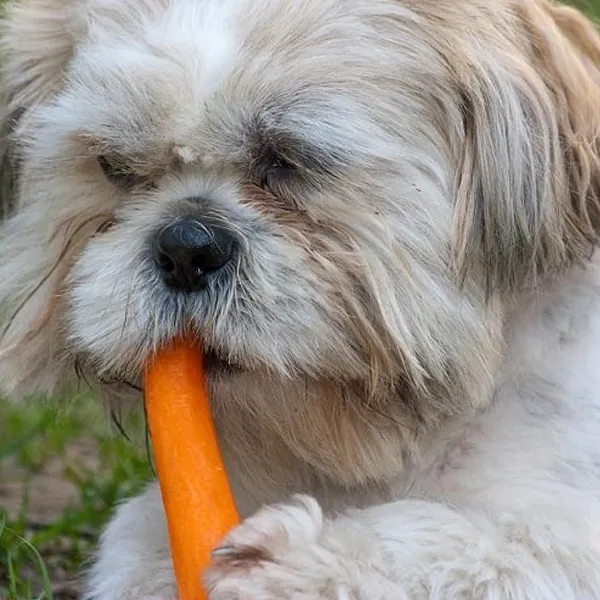
Digestive enzymes for dogs ensure that the body of your Shih Tzu absorbs all the crucial nutrients from the food he/she eats. For dogs that do not generate them in a natural way or get them from their food, enzyme supplements is a must.
Your dog’s diet lays the foundation for their total health – if he/she doesn’t get the right nutrients, they can develop a host of health problems. Canine nutrition is a complex subject and there are various choices that Shih Tzu owners can choose, from raw food to dry food and supplements.
In the event your dog needs or would benefit from digestive system enzymes there are lots of these supplements to choose from. To help you find the right mix of requirements for your Shih Tzu we’ve picked the most popular digestive system enzymes for dogs for you to review.
Digestive Enzyme Supplements For Dogs
Find out which Have The Best Balance Of Quality And Affordability. We’ve compiled a list of the top 5 Enzyme Supplements For Dogs accessible, as determined by professionals.
No products found.