

Introduction
Brief Overview of the Shih Tzu Breed
The Shih Tzu, often referred to as the “Lion Dog,” is a small yet robust breed known for its luxurious coat and charming personality. Let’s look more at Shih Tzu characteristics and some history of this adorable breed. Originally from China, this breed has long been cherished as a companion dog, embodying grace and elegance while also being a playful and affectionate member of any household. Their compact size, combined with their endearing demeanor, makes them a popular choice for families, singles, and seniors alike.
Importance of Understanding Breed Characteristics
Understanding the unique Shih Tzu characteristics is essential for anyone considering bringing one into their home. Each breed has distinct traits, and the Shih Tzu is no exception. Their grooming needs, temperament, and health concerns are specific and require informed care to ensure they thrive. By knowing what makes the Shih Tzu tick, owners can provide the best possible environment, ensuring a happy and healthy life for their furry friend.
What Makes Shih Tzus Unique Among Dog Breeds
One of the primary Shih Tzu characteristics is that they stand out due to their distinctive physical features. Such as their flat face and large, expressive eyes, which give them an almost human-like appearance. Additionally, their temperament is equally unique, blending independence with a strong desire to be close to their human companions. Plus, unlike many small breeds, Shih Tzus are known for their calm and composed demeanor. This makes them ideal for a variety of living situations, from bustling city apartments to quiet suburban homes.

Shih-Tzu Characteristics – Quick Facts
Origin: Tibet, China
Size: Small, usually between 9 to 16 pounds (4 to 7 kilograms)
Breed Group: Toy Group
Lifespan: 10 to 16 years
Coat: Long, flowing double coat requiring consistent grooming to avoid matting
Temperament: Friendly, affectionate, and well-suited for families and other pets
Exercise Needs: Moderate; daily walks and interactive play are enough to keep them fit
Training: Intelligent but can be willful; best trained with consistent, positive reinforcement methods
Grooming: High maintenance; regular brushing, frequent bathing, and occasional trims are essential
Health: Susceptible to respiratory challenges, dental issues, eye problems, joint conditions, and other genetic concerns
Popularity: Shih Tzu mixes, like the Shih-Poo (Shih Tzu and Poodle mix), are gaining popularity
Shih-Tzu Characteristics – History and Origin
Ancient Roots of the Shih Tzu
The Shih Tzu’s history dates back over a thousand years, with origins deeply rooted in ancient China and Tibet. Bred as companion dogs for Chinese royalty, Shih Tzus were treasured for their beauty, loyalty, and charming disposition. Their lineage is believed to be a mix of Lhasa Apsos and Pekingese, bred to create the perfect lap dog for the emperors and empresses of the time.
The Shih Tzu’s Role in Chinese Royalty
In the imperial courts of the Ming and Qing dynasties, Shih Tzus were held in the highest regard, often given the same level of attention and care as the emperor’s children. These “Lion Dogs” were pampered and adorned with silk robes and precious jewels. Plus, they were considered symbols of good fortune and were often depicted in Chinese art and literature, further solidifying their esteemed status.
Evolution of the Breed Over the Centuries
As dynasties rose and fell, the Shih Tzu’s popularity waxed and waned, but their allure never diminished. The breed eventually found its way to the West in the early 20th century, where it quickly captured the hearts of dog lovers across Europe and America. Over the years, selective breeding refined the Shih Tzu’s characteristics, focusing on enhancing their physical beauty and gentle temperament, leading to the modern Shih Tzu we know and love today.
Shih Tzus in Modern Times
Today, Shih Tzus are beloved across the globe, cherished for their affectionate nature and regal appearance. They continue to be a favorite among dog enthusiasts, whether as loyal companions, show dogs, or social media stars. Despite their long history, the Shih Tzu remains a timeless breed, with their popularity showing no signs of waning.
Shih Tzu Physical Characteristics
Size and Build: Small But Sturdy
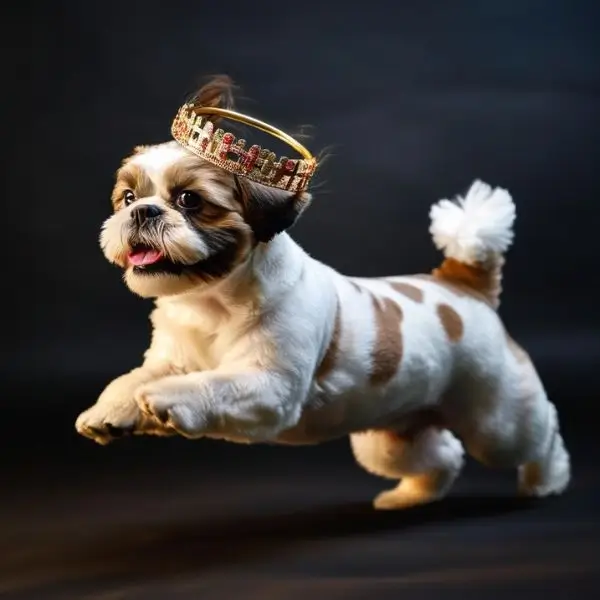
Shih Tzu characteristics indicate that they may be small in stature, typically weighing between 9 to 16 pounds, but they are surprisingly sturdy and well-built. Their compact, muscular frame is balanced and well-proportioned, allowing them to carry themselves with a dignified, almost aristocratic air. This breed’s solid structure belies its delicate appearance, making them both resilient and adaptable.
Coat and Color Variations
One of the most striking features of Shih Tzu characteristics is its long, flowing coat, which can come in a myriad of colors and patterns. From gold, white, and black to more unusual hues like blue and liver, the Shih Tzu’s coat is a canvas of diversity. Their double coat, consisting of a soft undercoat and a more luxurious outer layer, requires regular grooming to maintain its beauty and prevent matting.
Distinctive Facial Features: The Iconic “Smushed” Face
The Shih Tzu’s brachycephalic, or “smushed” face, is one of its most recognizable features. This distinctive flat face, combined with a short muzzle and upturned nose, gives the Shih Tzu its characteristic expression—one that is both charming and endearing. However, this feature also requires special attention, as it can lead to respiratory issues that owners need to manage carefully.
Eye Shape and Expression: The Soulful Gaze
The Shih Tzu’s large, round eyes are often described as “soulful,” reflecting their gentle and affectionate nature. These dark, expressive eyes are set wide apart and are one of the breed’s most endearing traits. However, their prominence also makes them prone to injuries and infections, requiring vigilant care from their owners.
Tail and Its Unique Curl
Another Shiht Tzu characteristic is its tail, which is typically curled over its back in a graceful arch. This plume of fur adds to the breed’s overall elegance and charm, swaying gently as they walk with their signature prance. The tail’s unique curl not only enhances their appearance but also contributes to their overall balanced silhouette.

Shih-Tzu Characteristics – Temperament and Personality
Affectionate and Loving Nature
Shih Tzus are renowned for their affectionate and loving disposition. They form deep bonds with their human companions and thrive on attention and companionship. This breed is happiest when nestled close to their owners, enjoying the warmth and comfort of a lap or a cozy bed. Their loving nature makes them ideal for families, singles, and seniors alike.
Shih Tzus as Companion Dogs
Originally bred as companion dogs for Chinese royalty, Shih Tzus have retained this trait throughout the centuries. They are not working dogs but are instead content to spend their days by your side, offering unwavering loyalty and love. Their primary purpose is to be a devoted companion, and they fulfill this role with grace and joy.
Playful Yet Gentle Demeanor
Despite their small size, Shih Tzus possess a playful spirit. They enjoy games of fetch, interactive toys, and gentle playtime with their owners. However, their playfulness is tempered by a gentle demeanor, making them well-suited for homes with children and other pets. They are not overly boisterous, preferring to engage in more relaxed and controlled play.
Independent Streak: Balancing Love and Stubbornness
While Shih Tzus are affectionate and loving, they also have an independent streak. They can be stubborn at times, particularly when it comes to training or doing something they are not particularly interested in. This independence adds to their charm but also requires patience and understanding from their owners to ensure a harmonious relationship.
How Shih Tzus Interact with Children and Other Pets
Shih Tzus generally get along well with children and other pets, provided they are properly socialized from a young age. Their gentle nature makes them less likely to be aggressive, and they often enjoy the company of other animals. However, it’s important to supervise interactions with small children to ensure the dog is treated with respect and care.
Shih Tzu Intelligence and Trainability
Their Learning Style: What Motivates Them
These cuties are intelligent dogs, but their independent nature means they require the right motivation to learn. Positive reinforcement, such as treats and praise, is highly effective in encouraging them to learn new commands and tricks. They respond well to consistent, gentle training methods that cater to their desire for companionship and approval.
Training Challenges: Patience Is Key
Training a Shih Tzu can be challenging due to their stubborn streak. They may resist commands or choose to ignore them altogether if they don’t see the benefit. Patience is essential when training a Shih Tzu, as they may take longer to learn certain commands compared to other breeds. Consistency and a calm demeanor will yield the best results.
Effective Training Techniques for Shih Tzus
Clicker training, reward-based training, and short, frequent training sessions are effective techniques for Shih Tzus. They thrive in environments where they are encouraged rather than coerced, and where their achievements are celebrated. Training should be a positive experience, with an emphasis on building a strong bond between the dog and owner.
Socialization Tips for a Well-Rounded Shih Tzu
Early socialization is crucial for Shih Tzus to ensure they grow into well-adjusted adults. Exposure to different environments, people, and other animals from a young age will help them develop confidence and reduce the likelihood of fear-based behaviors. Puppy classes, playdates, and regular outings are excellent ways to socialize a Shih Tzu.
Shih Tzus and Obedience: What to Expect
Obedience training with a Shih Tzu can be a mixed bag. While they are capable of learning commands, their independent nature means they may not always follow them with enthusiasm. Owners should set realistic expectations, understanding that while their Shih Tzu may learn to sit, stay, and come, they may not always do so on command.
Shih-Tzu Characteristics – Grooming Needs
High-Maintenance Coat: Daily Brushing Essentials
The Shih Tzu’s long, flowing coat is one of its most beautiful features, but it requires diligent care to maintain. Daily brushing is essential to prevent mats and tangles, which can cause discomfort and lead to skin issues. A quality brush and detangling spray will help keep their coat smooth and manageable.
Bathing and Skincare Routines
Regular bathing is necessary to keep a Shih Tzu’s coat clean and healthy. Depending on their activity level and environment, baths may be needed every three to four weeks. Use a gentle, dog-specific shampoo and conditioner to maintain the coat’s luster and the skin’s health. Pay special attention to drying their coat thoroughly to prevent fungal infections.
Managing Tear Stains and Facial Folds
The Shih Tzu’s prominent eyes and flat face make them prone to tear staining and debris buildup in their facial folds. Daily cleaning with a soft, damp cloth can help manage these issues. Special tear stain removers are also available to help reduce discoloration around the eyes.
Nail Trimming and Paw Care
Regular nail trimming is essential to prevent overgrowth, which can lead to discomfort and mobility issues. The Shih Tzu’s nails should be trimmed every few weeks, depending on their activity level. Paw pads should also be checked regularly for debris or injuries, and kept moisturized to prevent cracking.
Importance of Regular Grooming Sessions
In addition to daily care, professional grooming every four to six weeks is recommended for Shih Tzus. A professional groomer can provide a thorough cleaning, trim the coat to the desired length, and ensure that the dog’s ears, teeth, and nails are properly cared for. Regular grooming sessions are crucial for maintaining the overall health and appearance of the Shih Tzu.
Shih Tzu Health Characteristics
Common Health Issues in Shih Tzus
Shih Tzus, like all breeds, are prone to certain health issues. These include hip dysplasia, patellar luxation, and intervertebral disc disease. Regular veterinary check-ups are essential for early detection and management of these conditions. Additionally, responsible breeding practices can help minimize the risk of genetic health problems.
Respiratory Concerns Due to Brachycephalic Features
The Shih Tzu’s brachycephalic (flat-faced) features make them prone to respiratory issues, such as brachycephalic airway syndrome. This condition can cause difficulty breathing, snoring, and heat intolerance. Owners should be vigilant about avoiding overexertion and exposure to extreme heat, as these can exacerbate respiratory problems.
Dental Health: Maintaining Those Small Teeth
Due to their small mouths and crowded teeth, Shih Tzus are particularly prone to dental issues, including plaque buildup, gum disease, and tooth loss. Daily brushing with a dog-specific toothpaste and regular dental check-ups are essential to maintaining their oral health. Dental chews and toys can also help keep their teeth clean.
Eye Care: Preventing Infections and Injuries
The Shih Tzu’s large, prominent eyes are susceptible to a variety of issues, including dry eye, cataracts, and corneal ulcers. Regular eye cleaning, avoiding irritants, and providing a diet rich in omega-3 fatty acids can help maintain eye health. Any signs of redness, discharge, or cloudiness should be addressed by a veterinarian promptly.
Weight Management: Avoiding Obesity in Shih Tzus
Obesity is a common issue in Shih Tzus, often due to overfeeding and lack of exercise. Maintaining a healthy weight is crucial for preventing joint problems, diabetes, and other obesity-related conditions. Portion control, regular exercise, and monitoring their weight are key strategies for keeping a Shih Tzu in top condition.
Shih Tzu Exercise Requirements
Balancing Exercise with the Shih Tzu’s Energy Levels
Shih Tzus are not as high-energy as some other breeds, but they still require regular exercise to maintain their health. A balance of short walks and playtime is usually sufficient to meet their needs. Overexertion should be avoided, especially in hot weather, due to their brachycephalic nature.
Safe and Suitable Exercise Routines
Gentle walks, indoor play with toys, and interactive games like fetch are ideal exercises for Shih Tzus. They enjoy exploring their surroundings but should be kept on a leash in unfamiliar areas to prevent them from getting lost or injured. Avoid high-impact activities that could strain their joints.

Indoor vs. Outdoor Activities
Shih Tzus can be just as happy playing indoors as they are outdoors. Indoor games like tug-of-war or puzzle toys can provide mental and physical stimulation. Outdoor activities should be supervised, and care should be taken to ensure they are safe from extreme weather conditions.
The Importance of Mental Stimulation in Daily Routines
In addition to physical exercise, mental stimulation is crucial for keeping a Shih Tzu happy and well-behaved. Puzzle toys, training sessions, and social interaction with other dogs and people can provide the mental engagement they need. Without adequate stimulation, Shih Tzus may become bored and develop behavioral issues.
Signs of Overexertion to Watch For
Signs of overexertion in Shih Tzus include excessive panting, drooling, and difficulty breathing. If these signs occur, it’s important to stop the activity immediately and allow the dog to rest in a cool, shaded area. Overexertion can lead to heatstroke, which is a medical emergency.
Shih-Tzu Characteristics & Dietary Needs
Ideal Diet for Shih Tzus: Nutrient-Rich and Balanced
A Shih Tzu’s diet should be rich in high-quality proteins, healthy fats, and essential vitamins and minerals. Whether feeding commercial dog food or a homemade diet, it’s important to ensure that it meets all of their nutritional needs. Consulting with a veterinarian can help determine the best diet for your Shih Tzu.
Portion Control: Preventing Obesity
Due to their small size, portion control is critical for Shih Tzus. Overfeeding can quickly lead to weight gain and associated health problems. Measuring their food portions and feeding them at regular intervals can help maintain a healthy weight. Treats should be given sparingly and should not exceed 10% of their daily caloric intake.
Common Food Allergies and Sensitivities
Shih Tzus can be prone to food allergies and sensitivities, which can manifest as itching, digestive issues, or ear infections. Common allergens include grains, chicken, and dairy. Identifying and eliminating the offending ingredient from their diet is key to managing these sensitivities.
Healthy Treat Options for Shih Tzus
When selecting treats for a Shih Tzu, opt for healthy, low-calorie options. Fresh fruits and vegetables, such as carrots and apples, make excellent treats, as do specially formulated dog treats that are low in fat and sugar. Always avoid giving them human foods that are toxic to dogs, such as chocolate, grapes, and onions.
Hydration: Keeping Your Shih Tzu Well-Hydrated
Adequate hydration is vital for a Shih Tzu’s overall health, particularly given their susceptibility to overheating. Fresh water should be available at all times, and water intake should be monitored, especially during hot weather or after exercise. Adding water to their dry food can also help increase their hydration levels.

Shih Tzu Social Characteristics
How Shih Tzus Interact with Strangers
Shih Tzus are generally friendly and welcoming to strangers, though some may be a bit reserved at first. With proper socialization, they are likely to warm up quickly and may even seek attention from new acquaintances. Their natural curiosity and affectionate nature make them pleasant companions in social settings.
Importance of Early Socialization
Early socialization is crucial for developing a well-adjusted Shih Tzu. Exposing them to different environments, people, and animals from a young age helps build their confidence and reduces the likelihood of fear-based behaviors. Puppy classes, regular outings, and positive reinforcement are effective ways to socialize a Shih Tzu.
Shih Tzus in Multi-Pet Households
Shih Tzus generally get along well with other pets, including dogs and cats, especially if they are raised together. Their gentle and non-aggressive nature makes them suitable for multi-pet households. However, introductions should be made gradually, and interactions should be supervised until trust is established.
Dealing with Separation Anxiety
Shih Tzus are known for forming strong bonds with their owners, which can sometimes lead to separation anxiety. Symptoms may include barking, destructive behavior, and excessive clinginess. Gradual desensitization, creating a comforting environment, and providing interactive toys can help alleviate separation anxiety.
Adapting to New Environments and Changes
Shih Tzus are adaptable dogs, but they do best in stable environments. When introducing them to new surroundings or making changes to their routine, it’s important to do so gradually. Providing familiar objects, like their bed or toys, can help ease the transition and reduce stress.
No products found.
Shih Tzu Behavioral Traits
Barking: What Triggers It and How to Manage It
Shih Tzus are not typically excessive barkers, but they may bark to alert their owners to strangers, noises, or changes in their environment. Training them to respond to commands like “quiet” or “enough” can help manage barking. Ensuring they are well-exercised and mentally stimulated can also reduce unnecessary barking.
Chewing Habits: Understanding and Redirecting
Like all dogs, Shih Tzus may chew to relieve boredom, teething pain, or anxiety. Providing appropriate chew toys can help satisfy this natural behavior. Redirecting their chewing to acceptable objects and discouraging them from chewing on furniture or other household items is key to managing this behavior.
Separation Anxiety: Prevention and Coping Strategies
Preventing separation anxiety in Shih Tzus involves creating a positive association with alone time. Gradually increasing the amount of time they spend alone, leaving them with engaging toys, and avoiding dramatic departures and arrivals can help. In severe cases, consulting with a veterinarian or animal behaviorist may be necessary.
Playfulness: Channeling Their Energy in Positive Ways
Shih Tzus have a playful nature that, when properly channeled, can provide hours of enjoyment for both dog and owner. Engaging in interactive play, providing a variety of toys, and incorporating short training sessions can keep them mentally and physically stimulated. Regular playtime is essential for their happiness and well-being.
Shih Tzu Body Language: Reading Their Moods
Understanding a Shih Tzu’s body language can help owners respond appropriately to their needs and emotions. A wagging tail, relaxed posture, and soft eyes indicate contentment, while a tucked tail, raised hackles, or stiff posture may signal fear or discomfort. Learning to read these cues can strengthen the bond between dog and owner.

Living Environment
Ideal Home Settings for a Shih Tzu
Shih Tzus are adaptable dogs that can thrive in a variety of living environments, from apartments to houses with yards. They do not require a lot of space, but they do need a safe, comfortable area where they can rest and play. Their ideal home setting is one where they are close to their human companions.
Apartment Living vs. House with a Yard
Shih Tzus are well-suited to apartment living due to their small size and relatively low exercise needs. However, they also enjoy having access to a yard where they can explore and play. Regardless of the setting, it’s important to provide them with regular walks and opportunities for mental stimulation.
Creating a Safe and Comfortable Space
Creating a safe and comfortable space for a Shih Tzu involves providing a cozy bed, access to fresh water, and safe toys. The space should be free of hazards, such as small objects they could swallow or areas where they could get trapped. Providing a designated area for rest and relaxation is also important.
No products found.
Shih Tzus and Travel: Tips for a Stress-Free Journey
Shih Tzus can be good travel companions if properly acclimated to car rides and other forms of transportation. Using a well-ventilated carrier, ensuring they have access to water, and taking regular breaks can help make the journey more comfortable. It’s also important to bring familiar items, like their bed or favorite toy, to help them feel secure.
Adapting to Different Climates and Weather Conditions
Due to their brachycephalic nature, Shih Tzus are sensitive to extreme temperatures. They should be protected from both hot and cold weather, with special attention given to keeping them cool during the summer months. In colder climates, a dog sweater or coat can help keep them warm during outdoor activities.
Shih Tzu Lifespan and Aging
Average Lifespan of a Shih Tzu
The average lifespan of a Shih Tzu is between 10 to 16 years, with some living even longer with proper care. Their longevity is influenced by factors such as genetics, diet, exercise, and overall health care. Regular veterinary visits and a healthy lifestyle can help extend their lifespan.
Signs of Aging: What to Expect as They Grow Older
As Shih Tzus age, they may experience changes in their mobility, vision, and hearing. They may become less active, require more rest, and show signs of cognitive decline. Owners should be aware of these changes and adjust their care routines to accommodate their senior dog’s needs.
Adjusting Care Routines for Senior Shih Tzus
Caring for a senior Shih Tzu involves adjusting their diet to meet their changing nutritional needs, providing joint support, and ensuring they have a comfortable place to rest. Regular veterinary check-ups are important for monitoring their health and addressing any age-related issues that arise.
Common Age-Related Health Issues
Common age-related health issues in Shih Tzus include arthritis, dental disease, cataracts, and heart problems. Early detection and treatment are key to managing these conditions and maintaining a good quality of life. Owners should be vigilant for signs of discomfort or illness and seek veterinary care as needed.
Ensuring a High Quality of Life in Their Senior Years
Ensuring a high quality of life for a senior Shih Tzu involves providing a balanced diet, regular exercise, mental stimulation, and plenty of love and attention. Adjustments to their environment, such as providing ramps for easier access to furniture and using non-slip mats, can help them stay comfortable and safe.
Shih Tzus and Families
Tzus as Family Pets: What to Consider
They make excellent family pets due to their affectionate and gentle nature. They are generally patient with children and enjoy being part of family activities. However, families should consider the breed’s grooming needs and potential health issues before bringing a Shih Tzu into their home.

Child-Friendly Characteristics
Shih Tzus are known for their patience and tolerance with children, making them a good choice for families. They enjoy playtime and can form strong bonds with young family members. However, it’s important to teach children how to interact with the dog respectfully to prevent any accidental injuries.
Teaching Children to Interact with Shih Tzus
Teaching children how to interact with a Shih Tzu involves showing them how to gently pet and handle the dog, understanding the dog’s body language, and respecting their space. Children should be supervised during interactions to ensure both the child and the dog are safe and comfortable.
Integrating a Shih Tzu into an Existing Family Dynamic
Integrating a Shih Tzu into an existing family dynamic requires careful planning and patience. The dog should be introduced to all family members gradually, and routines should be established to help the dog feel secure. It’s important to involve all family members in the dog’s care and training to foster a strong bond.
Pros and Cons of a Shih Tzu in Family Life
The pros of having a Shih Tzu in the family include their affectionate nature, adaptability, and suitability for various living environments. However, potential cons include their grooming needs, health concerns, and the need for regular attention and companionship. Families should weigh these factors carefully before deciding if a Shih Tzu is the right fit for their home.
Shih Tzus and Other Animals
Introducing a Shih Tzu to Other Dogs
Introducing a Shih Tzu to other dogs should be done gradually and in a controlled environment. Supervised meetings in neutral territory can help prevent territorial behavior. Shih Tzus generally get along well with other dogs, but proper introductions are key to ensuring a peaceful coexistence.
How Shih Tzus Get Along with Cats
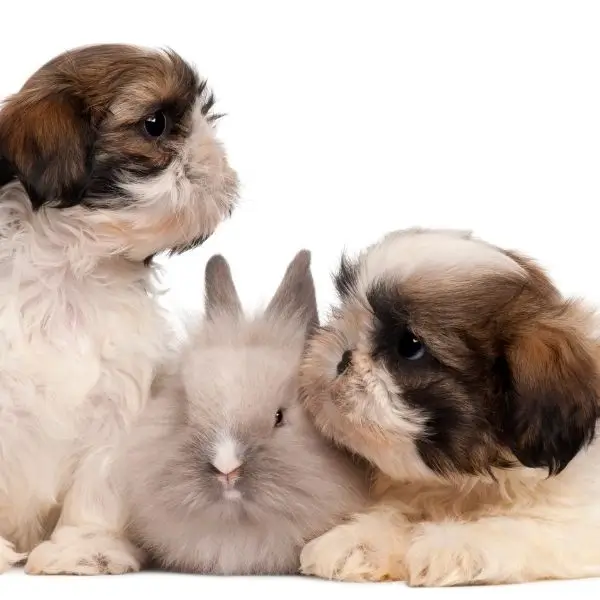
Shih Tzus can coexist peacefully with cats, especially if they are introduced at a young age. Their gentle and non-aggressive nature makes them less likely to chase or harass cats. However, it’s important to monitor their interactions and provide separate spaces for each pet if needed.
Managing Small Prey Drive Around Smaller Pets
While Shih Tzus do not have a strong prey drive, they may still be curious about smaller pets like hamsters or birds. Supervision is essential when they are around smaller animals to prevent any accidental harm. Teaching the Shih Tzu to respect the smaller pet’s space is also important.
Socialization Tips for a Multi-Pet Household
Socializing a Shih Tzu in a multi-pet household involves gradual introductions, positive reinforcement, and plenty of supervision. Creating separate spaces for each pet can help prevent conflicts, and providing equal attention to all pets can reduce jealousy and competition.
Dealing with Territorial Behavior
Territorial behavior in Shih Tzus can manifest as barking, marking, or guarding certain areas of the home. Addressing this behavior involves training, setting boundaries, and ensuring that the dog does not feel threatened by other animals or changes in their environment.
Shih Tzu Communication
Vocalizations: What Different Sounds Mean
Shih Tzus use a variety of vocalizations to communicate, including barking, whining, and growling. Each sound can have different meanings, such as alerting to danger, seeking attention, or expressing discomfort. Understanding these vocal cues can help owners respond appropriately to their dog’s needs.
Body Language: Understanding Your Shih Tzu’s Signals
A Shih Tzu’s body language can provide valuable insights into their emotions and intentions. A wagging tail, relaxed ears, and soft eyes indicate contentment, while a stiff posture, flattened ears, and a tucked tail may signal fear or anxiety. Observing these signals can help owners better understand and care for their dog.
Bonding Through Communication: Strengthening Your Relationship
Effective communication is key to building a strong bond with a Shih Tzu. This includes responding to their vocalizations and body language, providing positive reinforcement, and spending quality time together. Consistent communication fosters trust and deepens the connection between dog and owner.
How Shih Tzus Express Love and Affection
A key Shih Tzu characteristic is how they express love and affection through physical closeness, such as cuddling, licking, and following their owner around the house. They may also bring toys or nudge their owner for attention. Recognizing and reciprocating these gestures strengthens the bond and ensures a happy, loving relationship.

Recognizing Signs of Discomfort or Distress
Signs of discomfort or distress in a Shih Tzu can include whining, pacing, hiding, or changes in appetite or behavior. Identifying these signs early allows owners to address the issue and seek veterinary care if necessary. Providing a safe and comforting environment can help alleviate their distress.
Shih Tzu Breed Standards
Overview of Breed Standards Set by Kennel Clubs
As well as Shih Tzu charcateristics they have what’s called breed standards. These are established by organizations such as the American Kennel Club (AKC) and the United Kennel Club (UKC). These standards outline the ideal physical and behavioral traits for the breed, including size, coat, color, and temperament.
How Show-Quality Shih Tzus Are Evaluated
Show-quality Shih Tzus are evaluated based on how closely they conform to breed standards. Judges assess factors such as coat quality, overall structure, movement, and temperament. Dogs that best meet the standards are awarded titles and recognition in the show ring.
Common Traits That Align with Breed Standards
Traits that align with Shih Tzu breed standards include a well-proportioned body, a luxurious double coat, a distinctive brachycephalic face, and a friendly, outgoing temperament. These traits are highly valued in both show-quality dogs and pets.
Understanding Deviations from Breed Standards
Deviations from breed standards can include minor cosmetic differences, such as color variations, or more significant issues like structural imbalances. While these deviations may disqualify a dog from the show ring, they do not affect the dog’s ability to be a loving and loyal companion.
The Importance of Breed Standards for Responsible Breeding
Adhering to breed standards is crucial for responsible breeding practices. It helps preserve the health, temperament, and overall quality of the breed. Responsible breeders prioritize the well-being of their dogs and work to reduce the incidence of genetic health issues through careful selection and breeding practices.
Choosing a Shih Tzu
What to Consider Before Getting a Shih Tzu
Before getting a Shih Tzu, potential owners should consider the breed’s grooming needs, health concerns, and temperament. It’s important to ensure that the Shih Tzu’s characteristics align with the owner’s lifestyle and that they are prepared for the responsibilities of dog ownership.
Finding a Reputable Breeder or Adoption Agency
Finding a reputable breeder or adoption agency is essential for obtaining a healthy and well-socialized Shih Tzu. Reputable breeders conduct health screenings and prioritize the welfare of their dogs. Adoption agencies should provide comprehensive health and behavioral information about the dogs in their care.
Questions to Ask Breeders About Health and Temperament
When selecting a Shih Tzu from a breeder, it’s important to ask questions about the dog’s health history, temperament, and lineage. Inquiring about any genetic testing or health screenings performed on the parents can provide insights into potential health issues.
Preparing Your Home for a New Shih Tzu
Preparing your home for a new Shih Tzu involves creating a safe and welcoming environment. This includes setting up a designated area for the dog’s bed, food, and water, as well as removing any hazards. Providing toys, grooming supplies, and a comfortable space will help the Shih Tzu adjust to their new home.
Costs and Long-Term Commitments
Owning a Shih Tzu involves both initial and ongoing costs, including food, grooming, veterinary care, and supplies. Additionally, potential owners should consider the time and commitment required to care for a Shih Tzu throughout its life, including training, socialization, and daily companionship.

Shih Tzu in Popular Culture
Shih Tzus in Feature Films and Television
Over the years, Shih Tzu characteristics ensure they have appeared in a variety of feature films and television shows, often playing the role of a beloved, pampered pet or a symbol of high society. One of the most notable examples is the 2000 mockumentary Best in Show, directed by Christopher Guest. In this cult classic, a Shih Tzu named Miss Agnes steals the spotlight with her adorable appearance and the humorous obsession her owners have with her. This film helped to highlight the breed’s endearing qualities and further popularized Shih Tzus among moviegoers.
Shih Tzus have also made appearances in several other films and TV shows, including The Secret Life of Pets series, where they are portrayed as sweet, lovable companions, and in Legally Blonde 2: Red, White & Blonde, where Bruiser Woods’ love interest is a stylish Shih Tzu. In the animated series The Simpsons, a Shih Tzu named “Princess” is a symbol of the pampered pet lifestyle, reflecting the breed’s association with indulgence and high maintenance.
Shih Tzus and Celebrity Owners
Beyond the silver screen, Shih Tzus have found their way into the hearts and homes of many celebrities, further adding to their aura of sophistication and luxury. Among the most famous Shih Tzu owners is actress Nicole Richie, who is known for her love of dogs and has been seen frequently with her Shih Tzu, Honeychild. Richie’s Shih Tzu is often spotted in fashionable outfits, epitomizing the breed’s association with style and celebrity culture.
Another well-known Shih Tzu aficionado is singer Mariah Carey, whose Shih Tzus, Cha Cha and Jill E. Beans, have been featured on her social media and even in some of her music videos. Carey’s love for her Shih Tzus is well-documented, and they are often seen accompanying her on private jets and luxury vacations, perfectly embodying the breed’s image as the ultimate lap dog of the rich and famous.
Queen Elizabeth II, known for her love of Corgis, also had a fondness for Shih Tzus. Her Majesty was known to have owned several Shih Tzus over the years, further elevating the breed’s status as a symbol of royalty and prestige. The Queen’s Shih Tzus were treated with the same care and attention as her beloved Corgis, underscoring the breed’s esteemed place in the hearts of those in power.
Shih Tzus as Social Media Stars
In the modern age, Shih Tzus have also become stars on social media platforms like Instagram and TikTok. Their photogenic faces and charming antics make them perfect subjects for viral content. Accounts dedicated to Shih Tzus, such as “Tinkerbelle the Dog,” a New York-based Shih Tzu with a following of over half a million, showcase their adventures in the city, dressed in the latest canine fashion. These social media stars have millions of followers who tune in daily to wa
Influence of Shih Tzus on Popular Dog Breeds
The Shih Tzu’s influence can be seen in the popularity of similar small, brachycephalic breeds. Their distinctive appearance and friendly nature have made them a template for other companion breeds, contributing to the rise of designer dogs and crossbreeds that share their characteristics.
The Shih Tzu’s Enduring Appeal in Modern Culture
The Shih Tzu’s enduring appeal lies in its combination of beauty, charm, and companionship. Whether as a historical symbol of royalty or a modern-day social media sensation, the Shih Tzu continues to captivate people’s hearts. Their timeless appeal ensures that they remain a beloved breed for generations to come.

Conclusion
Recap of Shih Tzu Characteristics
The Shih Tzu characteristics show this is a breed that embodies a unique blend of physical beauty, affectionate temperament, and rich history. Their small but sturdy build, luxurious coat, and distinctive facial features set them apart, while their loving and playful nature makes them cherished companions.
Final Thoughts on What Makes Shih Tzus Special
What makes Shih Tzus truly special is their unwavering devotion to their owners and their ability to bring joy and comfort to those around them. Their adaptability, combined with their rich cultural heritage, makes them more than just pets—they are loyal friends and family members.
Encouragement to Explore Further Resources and Care Tips
For those considering adding a Shih Tzu to their family, or for current owners looking to enhance their understanding of the breed, further exploration of resources and care tips is encouraged. A well-informed owner is key to ensuring the happiness and health of a Shih Tzu.
Ensuring a Happy, Healthy Life for Your Shih Tzu
In conclusion, providing a Shih Tzu with the care, attention, and love they need will ensure they live a happy, healthy life. From grooming and diet to training and socialization, every aspect of their care contributes to their well-being. By understanding and embracing their unique characteristics, owners can enjoy many joyful years with their beloved Shih Tzu.