
Shih Tzu Paw Licking: Causes, Concerns, and Caring Solutions
Shih Tzus are adored for their endearing personalities, playful spirit, and luxurious coats. Yet, like many small breeds, they sometimes exhibit behaviors that can be worrisome for their owners. One of these behaviors is paw licking, which can range from a harmless habit to a sign of more significant issues. Understanding why your dog is licking its paws and knowing how to address the underlying causes is crucial for ensuring your pet’s health and happiness. This guide will delve into the reasons behind paw licking, the potential consequences, and the best ways to care for your pet.
Natural Grooming vs. Excessive Licking
Paw licking is a natural part of grooming for all dogs, including Shih Tzus. After a walk or meal, he/she might lick its paws to clean off dirt or food remnants. This behavior is entirely normal and part of your dog’s self-care routine. However, when paw licking becomes excessive, it’s an indication that something may be amiss. Continuous licking can lead to raw skin, open sores, and, eventually, infections that require medical treatment.
Excessive licking often starts subtly, with your dogspending more time than usual cleaning its paws. Over time, this can escalate, especially if the underlying cause is not addressed. Recognizing the signs early on and distinguishing between regular grooming and problematic licking is vital. If your Shih Tzu is spending significant portions of its day focused on licking its paws, it’s time to investigate further.
Simple Tip: Make it a habit to observe your pet’s grooming behavior. A quick check each evening can help you notice if the licking becomes more frequent or intense.

Common Causes of Shih Tzu Paw Licking
Understanding the root causes of excessive paw licking is the first step toward finding a solution. Here are some common culprits:
Allergies: Environmental and Food-Related
Allergies are one of the most prevalent causes of paw licking. Environmental allergens such as pollen, mold, and dust mites can cause your dog’s skin to itch, particularly on their paws. When these allergens settle on your dog’s paws during outdoor play, the irritation leads to persistent licking as your dog tries to find relief.
Food allergies can also trigger similar reactions. Certain ingredients in commercial dog foods, like grains or specific proteins, may not agree with your Shih Tzu’s system, causing allergic reactions that manifest as itchy, irritated skin. This can be particularly challenging to diagnose because the symptoms can occur even with long-term diets that previously caused no issues.
Simple Tip: If you suspect food allergies, gradually transition your Shih Tzu to a hypoallergenic diet, which is designed to minimize allergic reactions. Consult your veterinarian to guide you through this process.
No products found.
Skin Irritations and Infections
Skin irritations can occur for various reasons, including exposure to harsh chemicals, allergens, or even a new grooming product. When your dog’s skin becomes irritated, it may lead to conditions like dermatitis, which causes the skin to become red, inflamed, and itchy. This discomfort often drives your dog to lick its paws excessively.
In addition to irritants, fungal and bacterial infections can develop, particularly in the moist, warm spaces between your Shih Tzu’s toes. These infections can be painful and itchy, prompting even more licking and potentially leading to open wounds or hot spots.
Simple Tip: Apply a dog-safe paw balm regularly to their paws, especially after walks. This helps to create a barrier against irritants and soothe any minor irritations before they escalate.
No products found.
Parasite Infestations
Parasites like fleas, ticks, and mites are another common cause of paw licking. These tiny invaders can cause severe itching, and when they target your dog’s paws, the discomfort can lead to relentless licking and biting. Flea bites, in particular, can trigger allergic reactions, making your dog even more uncomfortable.
Mites, responsible for conditions like mange, can burrow into your Tzu’s skin, causing intense irritation and leading to constant scratching and licking. Ticks, which latch onto the skin to feed, can also cause localized irritation that might make your dog obsess over its paws.
Simple Tip: Regularly check your fur baby for signs of fleas, ticks, and mites, especially during warmer months. Use a flea comb and apply a trusted flea and tick preventative to keep these pests at bay.
No products found.
Behavioral Triggers
Not all paw licking is caused by physical discomfort. Sometimes, behavioral issues are the root cause.
Anxiety and Stress
Shih Tzus are particularly sensitive to changes in their environment. Moving to a new home, introducing a new family member, or even changes in their daily routine can cause stress and anxiety. This anxiety often manifests as compulsive behaviors, including excessive paw licking. For some dogs, licking serves as a coping mechanism, providing them with a temporary sense of comfort during stressful times.
Simple Tip: To help reduce anxiety, maintain a consistent routine. This includes feeding times, walks, and playtime. Additionally, calming products like pheromone diffusers, anxiety wraps, or CBD oil designed for pets can help your furry friend feel more at ease.
No products found.
Boredom and Lack of Mental Stimulation
Shih Tzus are intelligent dogs that need mental and physical stimulation to stay happy. Without sufficient engagement, they may become bored and resort to paw licking as a way to entertain themselves. This behavior can quickly become a habit, leading to more persistent issues.
Boredom-induced paw licking often occurs when a dog is left alone for extended periods or doesn’t have enough toys or activities to occupy their time. The lack of stimulation can cause them to focus excessively on grooming behaviors like paw licking.
Simple Tip: Ensure they have a variety of toys to play with and engage in regular interactive activities. Puzzle toys that challenge their mind can be particularly effective in preventing boredom.
No products found.
Habit Formation
Once a Shih Tzu starts licking its paws due to an initial cause, such as an injury or irritation, the behavior can become habitual. Even after the original issue has resolved, the licking may continue simply because it has become a comforting routine. Over time, this can lead to compulsive licking, where your dog licks its paws out of habit rather than necessity.
Simple Tip: Try to interrupt your pet when they start licking their paws excessively. Distract them with a toy or engage them in a fun activity to break the cycle and redirect their focus.
Environmental Factors
The environment in which your Shih Tzu lives can significantly impact their tendency to lick their paws.
Impact of Seasonal Changes
Different seasons bring different environmental challenges. In winter, the roads and sidewalks are often treated with de-icing chemicals and salt, which can irritate your dog’s paws. This irritation can lead to licking as they try to soothe the discomfort. In spring and summer, pollen from plants and trees can trigger allergies, leading to itchy paws.
Hot pavement during the summer months can also burn your dog’s paw pads, causing them to lick at the sore spots. These environmental factors can cause your dog to develop paw licking habits that persist beyond the initial irritation.
Simple Tip: During the winter, rinse your Shih Tzu’s paws with warm water after walks to remove any de-icing chemicals or salt. In the summer, walk your dog during cooler times of the day, and consider using dog booties to protect their paws from hot pavement.
Household Chemicals and Irritants
Many household cleaning products, including floor cleaners, detergents, and even certain types of carpet or furniture sprays, can leave residues that irritate their paws. If your dog comes into contact with these irritants, they may begin licking to soothe the itching or burning sensation.
Shih Tzus have sensitive skin, and even seemingly harmless substances can cause a reaction. It’s important to be mindful of the products you use in your home, especially in areas where your dog frequently walks or lies down.
Simple Tip: Use pet-safe cleaning products in your home, particularly on floors and carpets where he/she spends most of their time. This reduces the risk of irritation and keeps your dog comfortable.
No products found.
Outdoor Contaminants
When your Shih Tzu plays or walks outside, they come into contact with a variety of contaminants like dirt, debris, and allergens. These can get lodged between their toes or irritate their skin, leading to paw licking as your dog tries to clean or soothe the area.
Even seemingly benign substances like grass or soil can contain chemicals, fertilizers, or pesticides that irritate your dog’s skin. Regular exposure to these contaminants can lead to ongoing issues with paw licking.
Simple Tip: After outdoor activities, regularly check and clean their paws to remove any debris or potential irritants. Wiping their paws with a damp cloth can help prevent buildup and reduce the risk of irritation.
Physical Discomfort and Pain
Physical discomfort is another major reason for paw licking.
Paw Injuries and Foreign Objects
Small injuries, such as cuts, scrapes, or splinters, can cause significant discomfort. If they step on something sharp or rough during a walk, it can lead to minor wounds that cause them to lick their paws incessantly. Foreign objects like burrs, thorns, or even small pebbles can become lodged between their toes, causing irritation and leading to excessive licking.
Simple Tip: Regularly inspect your Shih Tzu’s paws for any signs of injury or foreign objects, especially after walks in rough terrain or areas with lots of debris. If you find anything, gently remove it and clean the area to prevent infection.
Joint Pain and Arthritis
As canines age, they may develop joint pain or arthritis, particularly in their paws and legs. This pain can cause them to lick or chew at their paws as a way of coping with the discomfort. While this behavior might seem to offer some relief, it can lead to further issues if left unchecked.
Joint pain and arthritis are common in older dogs, and Shih Tzus are no exception. The repetitive motion of licking or chewing can exacerbate the pain, leading to a vicious cycle of discomfort and licking.
Simple Tip: If your dog is showing signs of arthritis or joint pain, consider incorporating joint supplements into their diet. Products containing glucosamine and chondroitin can help support joint health and reduce pain.
No products found.
Ingrown Nails
Ingrown nails are another source of pain and discomfort that can cause them to lick or chew their paws. When a nail grows into the skin, it can create a painful wound that’s prone to infection. They may try to alleviate the pain by licking or chewing at the affected paw, which can worsen the situation.
Ingrown nails are more common in dogs with naturally curled nails or those who don’t have their nails trimmed regularly. Keeping your Shih Tzu’s nails at an appropriate length is crucial to preventing this painful condition.
Simple Tip: Regularly trim your pets nails and keep an eye on them to avoid ingrown nails. If you’re not confident in trimming your dog’s nails yourself, it’s a good idea to visit a professional groomer or your veterinarian for regular nail care.
Signs That Shih Tzu Paw Licking Is a Problem
Recognizing when paw licking is more than just a minor issue is crucial for your Shih Tzu’s health.
Redness and Swelling
If your pet’s paws are red or swollen, it’s a clear sign that the licking has gone beyond normal grooming and is now causing irritation or even damage. Redness and swelling often indicate inflammation, which can be caused by allergies, infections, or injuries. If left untreated, this can lead to more severe problems.
Simple Tip: Regularly inspect their paws for any signs of redness or swelling. If you notice these symptoms, it’s important to address them promptly before they escalate into a more serious condition.
Open Wounds and Bleeding
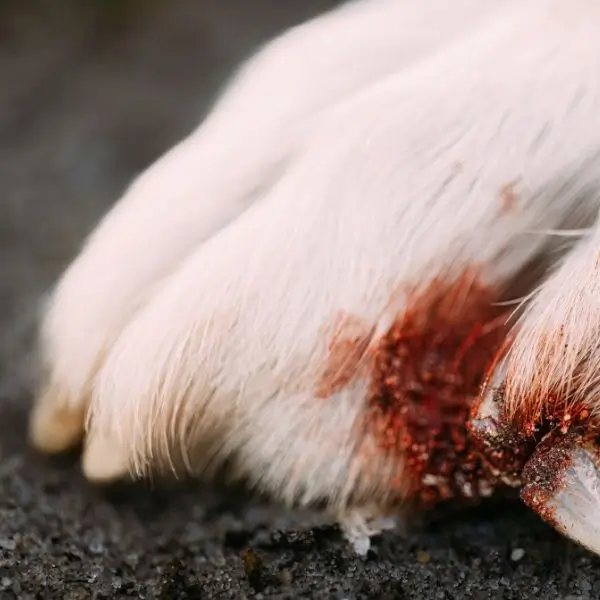
Excessive licking can lead to open wounds, which are not only painful but also prone to infection. If your dog’s licking has caused the skin to break, creating sores or areas of bleeding, immediate attention is required. These wounds can quickly become infected, leading to more severe health issues that may require antibiotics or other treatments.
Simple Tip: If you notice open wounds or bleeding on your Shih Tzu’s paws, clean the area gently with an antiseptic solution and cover it with a bandage if necessary. Then, consult your veterinarian to determine the best course of treatment.
Behavioral Changes
Increased anxiety, restlessness, or irritability can accompany excessive paw licking. These changes in behavior indicate that the issue may be causing significant discomfort or stress for your dog. If your normally calm and happy Shih Tzu becomes more agitated or withdrawn, it could be a sign that their paw licking is more than just a habit—it’s a response to physical or emotional distress.
Simple Tip: Pay attention to any changes in behavior, especially if they coincide with increased paw licking. Addressing the root cause of the licking can help restore your dog’s emotional balance and overall well-being.
Consequences of Ignoring Excessive Shih Tzu Paw Licking
Ignoring your Shih Tzu’s excessive paw licking can lead to several serious consequences.
Risk of Infection
Open wounds caused by persistent licking are highly susceptible to infection. Once the skin is broken, bacteria can easily enter and cause an infection that can spread quickly. Infections can lead to swelling, pus, and significant pain, requiring antibiotics or even more intensive treatments. Ignoring the early signs of paw licking can result in a simple issue becoming a serious health problem.
Simple Tip: If you notice any signs of infection, such as redness, swelling, or discharge, seek veterinary care immediately. Early treatment can prevent the infection from spreading and causing further complications.

Development of Chronic Skin Conditions
Persistent licking can cause chronic skin conditions like lichenification, where the skin becomes thickened and more prone to future irritations and infections. This condition is often irreversible and can lead to ongoing discomfort for your Shih Tzu. Over time, the affected skin may become hyperpigmented, rough, and less flexible, making it more susceptible to injury.
Simple Tip: Prevent chronic conditions by addressing excessive licking as soon as it begins. Consistent monitoring and prompt treatment can help keep your Shih Tzu’s skin healthy and comfortable.
Psychological Impacts
Constant discomfort and pain from untreated issues can lead to increased stress and anxiety in your canine companion, potentially resulting in more severe behavioral problems. Dogs that are in constant discomfort may become more withdrawn, anxious, or even aggressive. The psychological toll of chronic pain or irritation can have long-lasting effects on their quality of life.
Simple Tip: Ensuring your dog is free from pain and discomfort is key to their overall happiness. Regular veterinary check-ups and a close watch on their behavior can help catch issues early before they affect your dog’s mental health.
Diagnosing the Underlying Cause
Determining the cause of your Shih Tzu’s paw licking is key to effective treatment.
Veterinary Examinations
A thorough veterinary examination is the first step in diagnosing the cause of excessive paw licking. Your vet will check for signs of infection, injury, or parasites and may recommend additional tests if allergies or more complex conditions are suspected. Blood tests, skin scrapings, and other diagnostic tools can help pinpoint the exact cause of the problem.
Simple Tip: Don’t wait too long before consulting your veterinarian. The sooner the underlying cause is identified, the quicker you can start treatment and provide relief.
Allergy Testing and Blood Work
If allergies are suspected, your vet may recommend allergy testing to identify specific triggers. This can include blood tests or skin tests that identify environmental or food allergens. Knowing exactly what your pet is allergic to allows you to tailor their environment and diet to reduce exposure to these allergens.
Simple Tip: Consider allergy testing if your Shih Tzu paw licking symptoms are recurring or if they have other signs of allergies, such as itching, ear infections, or gastrointestinal issues.
Behavioral Assessments
If a behavioral cause is suspected, a vet or animal behaviorist can assess your dog to determine if anxiety, stress, or boredom is contributing to the problem. Behavioral assessments can help identify triggers and suggest strategies to modify your dog’s behavior, reducing the need for paw licking as a coping mechanism.
Simple Tip: If you suspect that stress or anxiety is the root cause, consider consulting an animal behaviorist who can provide tailored advice and behavior modification techniques.

Effective Treatment Options
Once the cause is identified, several treatment options are available.
Medications and Topical Treatments
Medications such as antihistamines or anti-inflammatory drugs can help manage allergies and reduce itching. If an infection is present, antibiotics or antifungal medications may be prescribed. Topical treatments, like medicated creams or ointments, can soothe irritated skin and protect against further damage. For more severe cases, corticosteroids or other stronger medications might be necessary to bring the condition under control.
Simple Tip: Follow your veterinarian’s instructions carefully when administering medications or applying topical treatments. Consistency is key to ensuring the condition improves.
Behavioral Therapy and Environmental Changes
For behavioral issues, therapy or training may be necessary. This can include desensitization techniques, anxiety-reducing practices, or training exercises to redirect your Shih Tzu’s focus away from licking. Environmental changes, such as reducing exposure to allergens, providing more mental stimulation, and creating a calm, consistent routine, can also help alleviate the behaviors associated with anxiety or boredom.
Simple Tip: Implement changes gradually to avoid overwhelming your dog. Small, consistent changes are often more effective and easier for your dog to adapt to.
Dietary Adjustments
If food allergies are the cause, switching to a hypoallergenic diet or incorporating supplements for skin health can make a significant difference. Omega-3 fatty acids, found in fish oil, can help reduce inflammation and promote healthy skin. Grain-free or limited-ingredient diets might also be beneficial in reducing allergic reactions.
Simple Tip: When changing diet, do so gradually to prevent digestive upset. Mix the new food with the old one, slowly increasing the amount of the new food over a week or two.
Shih Tzu Paw Licking Preventive Measures
Prevention is always better than cure. By taking proactive steps, you can minimize the risk of excessive paw licking.
Regular Paw Care and Inspection
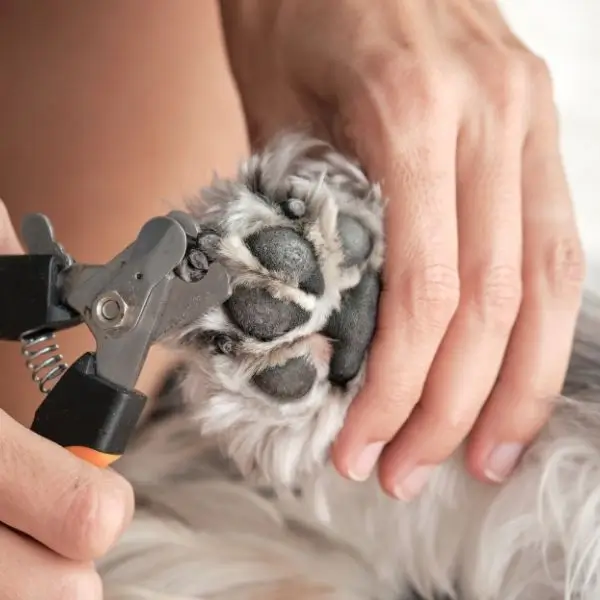
Make it a routine to regularly inspect and clean your dog’s paws, especially after walks. This not only helps to remove dirt and potential irritants but also allows you to catch any issues early before they become serious. Regular grooming, including nail trimming and hair clipping between the paw pads, can also help prevent problems.
Simple Tip: Keep a grooming kit handy that includes a paw cleaning solution, a soft cloth, and nail clippers. Regularly grooming your pet’s paws can become a bonding activity that also keeps them healthy.
Managing Environmental Exposures
Limit your dog’s exposure to potential allergens, such as certain grasses, plants, or household chemicals. During walks, avoid areas that have been recently treated with pesticides or fertilizers. When indoors, consider using air purifiers to reduce airborne allergens like dust and pollen.
Simple Tip: Create a paw-washing station near the entrance of your home to clean paws after outdoor activities. This helps prevent allergens and irritants from entering your home and causing problems.
Ensuring Proper Mental and Physical Stimulation
Keep your furry friend mentally and physically stimulated with regular exercise, interactive toys, and plenty of social interaction. A well-exercised and mentally stimulated dog is less likely to develop anxiety or boredom-related behaviors, including excessive paw licking.
Simple Tip: Incorporate variety into daily routine with different types of toys, games, and training exercises. This keeps their mind sharp and prevents boredom from setting in.
Conclusion
Addressing your Shih Tzu paw licking is crucial for their overall health and happiness. By understanding the causes, recognizing the signs, and taking proactive steps, you can help them lead a comfortable and fulfilling life. Regular care, attention, and timely intervention will ensure that this common issue doesn’t develop into a more serious problem, allowing your beloved pet to enjoy a life free from discomfort and stress. Remember, a happy Shih Tzu is a healthy Shih Tzu, and with the right care, you can keep those paws healthy and those tails wagging.